
Smokeless coal is an increasingly popular choice for those seeking an efficient, environmentally friendly, and cost-effective fuel source. Unlike traditional coal, smokeless coal burns with minimal smoke and emissions, making it an excellent option for both residential and commercial heating applications. The advantages of smokeless coal are numerous and significant, ranging from environmental benefits to economic savings and improved health outcomes. This article explores the various reasons why smokeless coal is becoming a preferred fuel source.
Environmental Benefits
One of the most compelling advantages of smokeless coal is its environmental impact. Traditional coal combustion releases a significant amount of smoke and harmful pollutants into the atmosphere, contributing to air pollution and climate change. Smokeless coal, on the other hand, is designed to burn more cleanly, producing fewer pollutants such as sulfur dioxide, nitrogen oxides, and particulate matter. This reduction in harmful emissions helps to improve air quality and reduces the environmental footprint associated with heating.
Smokeless coal is also more energy-efficient than traditional coal, meaning that it produces more heat per unit of fuel. This increased efficiency translates into lower overall fuel consumption, further reducing the environmental impact. By choosing smokeless coal, individuals and businesses can contribute to efforts to mitigate climate change and promote sustainability.
Health Benefits
The cleaner burning properties of smokeless coal have significant health benefits. Traditional coal combustion releases a variety of harmful substances, including fine particulate matter, which can penetrate deep into the lungs and cause respiratory and cardiovascular problems. The reduction in smoke and harmful emissions from smokeless coal helps to protect indoor and outdoor air quality, reducing the risk of health issues associated with air pollution.
For individuals with respiratory conditions such as asthma or chronic obstructive pulmonary disease (COPD), the use of smokeless coal can provide a more comfortable and safer living environment. By minimizing the release of irritants and toxins, smokeless coal helps to create healthier indoor spaces, particularly during the colder months when heating is essential.
Economic Advantages
Another key advantage of smokeless coal is its cost-effectiveness. While the initial purchase price of smokeless coal may be higher than that of traditional coal, the long-term savings can be substantial. Smokeless coal burns more efficiently, producing more heat per unit and reducing the overall amount of fuel needed. This increased efficiency means that users can achieve the same level of warmth with less fuel, leading to lower heating costs over time.
Additionally, the durability of smokeless coal can result in fewer maintenance costs for heating appliances. Because it produces less soot and ash, smokeless coal reduces the wear and tear on stoves, fireplaces, and boilers, leading to fewer repairs and longer appliance lifespans. This durability can translate into significant savings on maintenance and replacement costs.
Convenience and Versatility
Smokeless coal is also highly versatile and convenient to use. It can be used in a variety of heating appliances, including open fires, multi-fuel stoves, and boilers, making it a flexible option for different heating needs. Its clean-burning properties mean that it produces less soot and ash, making cleaning and maintenance easier and less frequent. This convenience is particularly beneficial for homeowners and businesses looking to maintain a clean and efficient heating system with minimal effort.
The consistent and reliable heat output of smokeless coal is another advantage. Unlike some alternative fuels that may produce fluctuating heat levels, smokeless coal provides steady and long-lasting warmth. This reliability ensures that living and working spaces remain comfortable even during the coldest periods, enhancing the overall quality of life and productivity.
Regulatory Compliance
In many regions, environmental regulations and air quality standards are becoming increasingly stringent. The use of traditional coal may be restricted or banned in certain areas due to its high levels of smoke and pollutants. Smokeless coal offers a compliant alternative that meets or exceeds regulatory requirements for emissions. By using smokeless coal, individuals and businesses can avoid potential fines and legal issues associated with non-compliance while contributing to broader environmental goals.
Improved Safety
Safety is another important consideration when choosing a fuel source. The reduced smoke production of smokeless coal means that there is less risk of chimney fires, which can occur when creosote—a byproduct of burning traditional coal—builds up in the chimney and ignites. The lower levels of soot and ash produced by smokeless coal also mean that chimneys and flues remain cleaner, reducing the risk of blockages and associated dangers such as carbon monoxide poisoning.
Sustainable and Responsible Choice
For those committed to sustainability and responsible energy use, smokeless coal represents a step in the right direction. While not a completely renewable resource, smokeless coal is a more sustainable option compared to traditional coal due to its higher efficiency and lower emissions. By choosing smokeless coal, consumers can make a positive impact on the environment while still enjoying the benefits of a reliable and effective heating source.
Availability and Supply
Smokeless coal is widely available and can be sourced from various suppliers. Its growing popularity has led to increased production and distribution, ensuring a stable supply for consumers. This availability makes it a practical choice for both urban and rural areas, where alternative heating options may be limited.
Aesthetic and Comfort Appeal
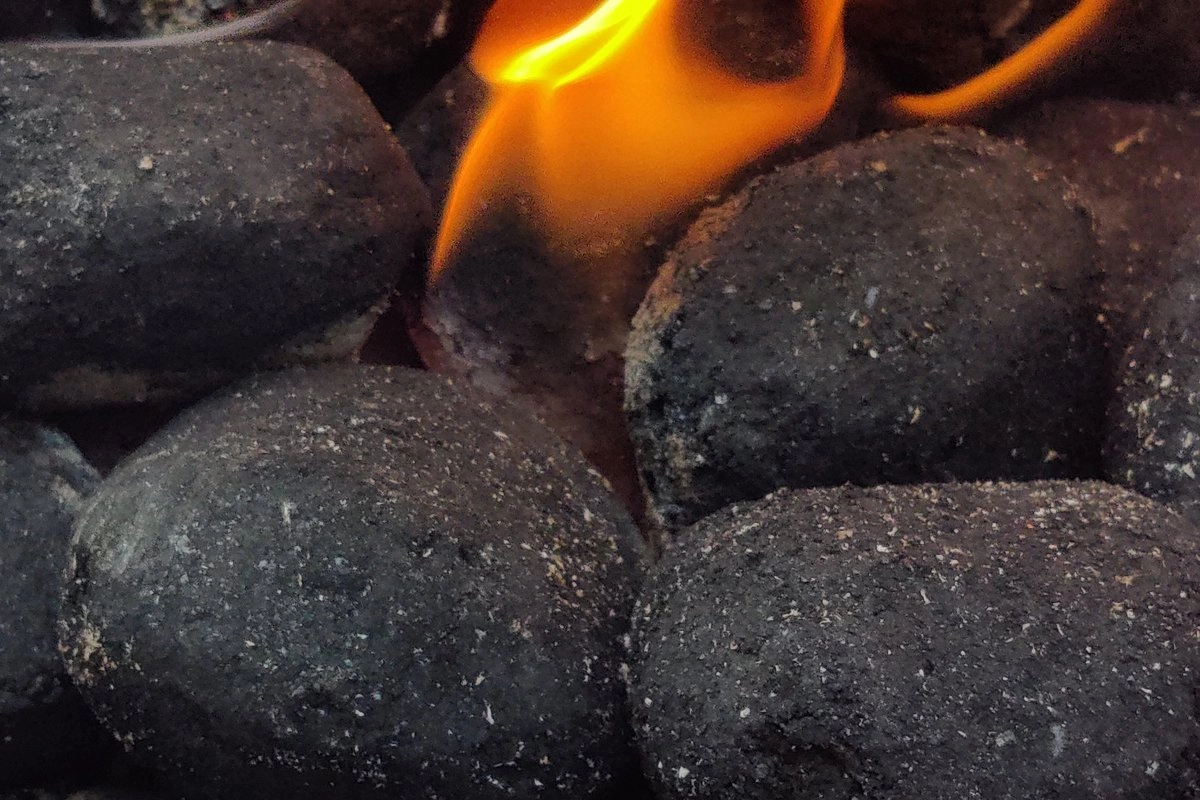
Beyond its functional benefits, smokeless coal also offers aesthetic and comfort advantages. Many people appreciate the traditional look and feel of a coal fire, and smokeless coal provides the same warm glow and ambiance without the excessive smoke and smell. This makes it an attractive option for those who value the cozy and inviting atmosphere that a real fire can create in a home or business setting.
In conclusion, the advantages of smokeless coal are numerous and significant. Its environmental benefits, health advantages, economic savings, convenience, regulatory compliance, safety, sustainability, availability, and aesthetic appeal make it a superior choice for residential and commercial heating. As awareness of the importance of clean and efficient energy continues to grow, smokeless coal stands out as a practical and responsible option for those seeking to balance warmth and comfort with environmental and health considerations. By choosing smokeless coal, consumers can enjoy the benefits of a traditional heating source while contributing to a cleaner and healthier future.