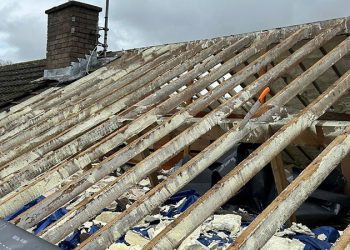


A well-maintained roof protects your home from the elements, safeguarding your property and ensuring the comfort of its occupants. However, time, weather, and wear and tear can take their toll, necessitating a roof replacement. When faced with the prospect of a roof replacement, numerous factors require careful consideration. This article delves into the essential aspects to ponder before embarking on this crucial home improvement project.
Assessing the Need for Roof Replacement:
The first step is to determine if a full roof replacement is truly necessary. Signs that your roof may be nearing the end of its lifespan include:
- Visible Damage: Cracked or missing shingles, curling or blistering asphalt, and excessive granule loss are all signs of roof deterioration. Leaks in the attic or visible water stains on ceilings also indicate potential roof issues.
- Age of the Roof: The lifespan of a roof depends on the material. Asphalt shingles typically last 15-20 years, while metal roofs can last 40-70 years. If your roof approaches the expected lifespan for its material, a proactive replacement can prevent future problems.
- Deteriorating Flashing: Flashing, the material that seals around chimneys, vents, and skylights, is crucial for preventing leaks. Cracked, rusted, or loose flashing necessitates replacement, and in some cases, may necessitate a full roof replacement.
- Moss Growth: While not always a direct cause for concern, excessive moss growth on your roof can trap moisture and accelerate roof deterioration. Addressing moss growth may necessitate a roof replacement depending on the severity of the problem.
Evaluating Your Options: Choosing the Right Roofing Material
Roof replacements offer an opportunity to upgrade your roof’s performance and aesthetics. Consider these factors when choosing a roofing material:
- Climate: Consider your local climate when choosing a roofing material. For hot and sunny climates, reflective metal roofs can be beneficial. For areas with heavy snowfall, consider materials like slate or metal with a high snow-load capacity.
- Durability: Different materials offer varying lifespans. Asphalt shingles are a cost-effective option but may require more frequent replacements. Metal roofs are more durable but come with a higher initial cost.
- Aesthetics: The roof contributes significantly to your home’s overall appearance. Choose a material that complements your home’s architectural style and neighborhood aesthetics.
- Budget: Roof replacement costs vary depending on the chosen material, size of your roof, and complexity of the project. Set a realistic budget and consider financing options if necessary.
Beyond Materials: Additional Considerations for Roof Replacements
While material selection is crucial, other aspects require careful consideration for a successful roof replacement:
- Permits and Inspections: Roof replacements often require permits from local authorities. Consult a qualified roofing contractor to ensure all permits are obtained and necessary inspections are scheduled.
- Hiring a Qualified Contractor: Choose an experienced and reputable roofing contractor with a proven track record and positive customer reviews. Obtain written estimates from multiple contractors and compare pricing, materials offered, and warranties.
- Insurance Coverage: Review your homeowner’s insurance policy to understand the extent of coverage for roof replacements. Discuss with your insurance agent any potential impacts on your premium due to the new roof.
- Ventilation: Proper roof ventilation is crucial for preventing moisture buildup and promoting optimal roof performance. Discuss ventilation needs with your chosen contractor and ensure adequate ventilation systems are incorporated during the replacement process.
- Warranties: Reputable roofing contractors offer warranties on their work and the materials used. Understand the terms and conditions of the warranties and ensure they cover both materials and workmanship.
Beyond the Project: The Aftermath of Roof Replacements
Once the roof replacement is complete, remember these important considerations:
- Final Inspection: Ensure a final inspection is conducted by the roofing contractor and local building department to verify code compliance and proper installation.
- Maintaining Your New Roof: Regular maintenance is crucial to extend the lifespan of your new roof. Schedule periodic inspections and clean gutters regularly to prevent debris buildup.
- Documentation Retention: Retain all documentation related to the roof replacement project, including permits, warranties, and receipts. These documents will be crucial for future reference and potential insurance claims.
Investing in Peace of Mind: The Value of a Well-Planned Roof Replacement
A roof replacement is a significant investment, but it’s also an investment in the security and longevity of your home. By carefully considering all aspects of the project, from assessing your needs and choosing the right materials to hiring a qualified contractor, you can ensure a smooth and successful roof replacement. A well-maintained roof provides peace of mind, protects your home from the elements, and enhances its overall value. So, approach your roof replacement project with informed decision making and enjoy the peace of mind that comes with a secure and weatherproof home for years to come.
A Final Word: Embarking on a Successful Roof Replacement Journey
Navigating the complexities of roof replacements can seem daunting. However, by following these essential considerations, you can empower yourself to make informed decisions and ensure a successful project. Remember, a well-executed roof replacement is an investment in your home’s future, safeguarding your property and providing a sense of security for you and your loved ones. So, don’t hesitate to seek advice from qualified roofing professionals and embark on your roof replacement journey with confidence!
HDM Roofing Services
9 Kingsdale Rd, Lancaster LA1 5NE
07443 031275
hdmroofingservices.co.uk