

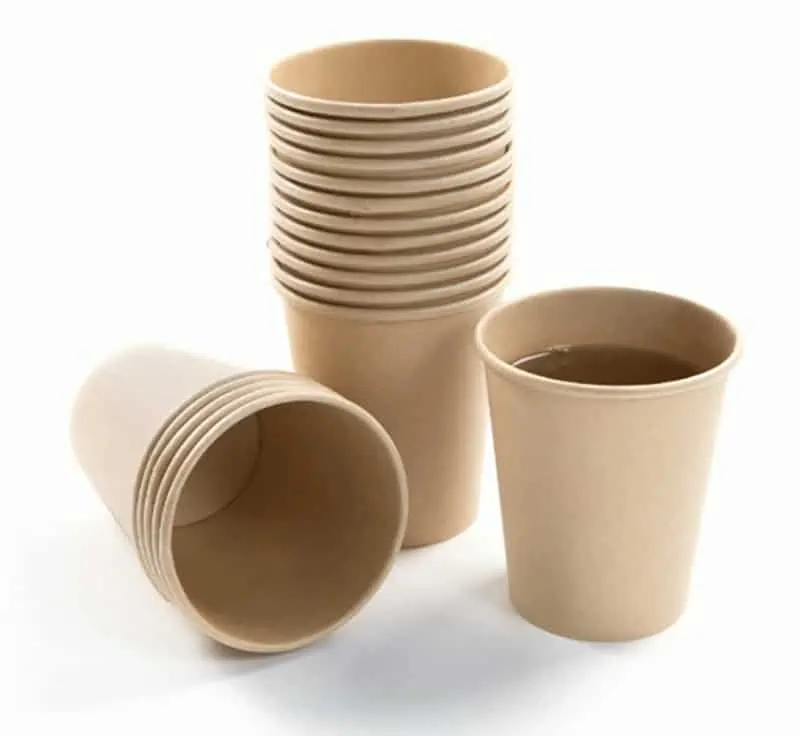
In today’s world, when environmental sustainability is a critical concern, the trend towards eco-friendly items is gaining traction. The biodegradable cup is one product that has gained popularity due to its environmental benefits. The benefits of biodegradable cups are numerous, ranging from decreasing waste and carbon footprints to encouraging sustainable habits in both consumers and enterprises. Understanding these benefits can help explain why biodegradable cups are becoming a popular choice in a variety of contexts.
Compostable cups are built of materials that decompose into natural components in a compost setting, leaving no hazardous behind. This feature is one of the main benefits of biodegradable cups. Traditional throwaway cups, particularly those made of plastic, can take hundreds of years to degrade, adding to the rising problem of landfill waste and environmental contamination. Compostable cups, on the other hand, generally degrade in a matter of months under ideal conditions, greatly lowering the amount of waste that ends up in landfills. This rapid disintegration process not only relieves the pressure on waste management systems, but also helps to reduce the environmental effect of disposable cups.
Compostable cups have another big advantage: they reduce plastic waste. Plastic pollution is a widespread problem, with millions of tonnes of plastic garbage polluting the oceans, endangering marine life, and contaminating food chains. Compostable cups, which are often produced from plant-based materials such as cornflour, sugarcane, or bamboo, provide a viable alternative to plastic. By using biodegradable cups, individuals and companies may actively reduce their dependency on plastic items, helping to the worldwide effort to minimise plastic pollution. This transition to biodegradable materials protects ecosystems and species, resulting in a healthier Earth.
Compostable cups also help to reduce greenhouse gas emissions. The manufacture and disposal of standard plastic cups are energy-intensive operations that emit considerable amounts of greenhouse gases, contributing to climate change. Compostable cups, on the other hand, are often made from renewable resources and take less energy to manufacture. Furthermore, biodegradable cups emit fewer greenhouse gases than plastic cups in landfills. This reduction in carbon emissions is consistent with worldwide efforts to tackle climate change and supports a more sustainable future.
The usage of biodegradable cups also aligns with the ideals of the circular economy, which aims to reduce waste and make the most use of resources. In a circular economy, items are intended to be reused, recycled, or composted, extending the useful life of resources. Compostable cups fit perfectly into this concept since they can be composted and returned to the soil as nutrients, thereby closing the loop and decreasing the demand for new raw materials. This sustainable strategy not only conserves resources, but also promotes innovation in the production of ecologically friendly materials and products.
Businesses that use biodegradable cups can improve their brand image and attract environmentally concerned customers. In an era where consumers place a higher value on sustainability, firms that demonstrate a dedication to eco-friendly practices may differentiate themselves from rivals and develop better customer connections. Businesses that use biodegradable cups may demonstrate their commitment to decreasing environmental impact, attracting new consumers and increasing loyalty among existing ones. This dedication to sustainability may also boost corporate social responsibility activities, resulting in a favourable brand reputation.
Furthermore, biodegradable cups can help to create a better environment for both humans and animals. Traditional plastic cups frequently contain dangerous chemicals, such as bisphenol A (BPA) and phthalates, which can leak into beverages and endanger users’ health. Compostable cups, constructed from natural and non-toxic materials, reduce this risk and provide a safer alternative for consuming liquids. Furthermore, the breakdown of biodegradable cups does not result in the discharge of microplastics, which are microscopic plastic particles found in water sources and the food chain, causing risks to wildlife and human health. The use of biodegradable cups reduces these dangers, resulting in a cleaner and healthier environment.
The growing usage of biodegradable cups increases demand for sustainable agriculture and renewable resources. Compostable cups are generally produced from plant-based materials, thus their production benefits the agriculture sector and promotes the growing of renewable crops. This move to bio-based goods has the potential to drive agricultural innovation, promote more sustainable farming methods, and reduce dependency on fossil fuels. The expansion of the bio-based economy, fuelled by the demand for biodegradable items, has the potential to provide beneficial environmental and economic results, supporting a more sustainable future.
Educational institutions and public events are perfect places to highlight the benefits of biodegradable mugs. Schools, universities, and event organisers may help raise awareness about the environmental effect of throwaway items and the advantages of biodegradable alternatives. By adding biodegradable cups into their operations and events, these institutions may educate students and attendees about sustainability and encourage environmentally responsible behaviour. This instructional method not only decreases waste, but it also enables people to make better educated decisions in their daily lives, building an environmental stewardship culture.
The switch to biodegradable cups also promotes local composting programs and infrastructure development. As the demand for biodegradable items develops, so will the requirement for efficient composting facilities capable of processing these materials. This rising demand may prompt investments in composting infrastructure, resulting in new possibilities for local companies and communities. Improved composting facilities can manage a broader spectrum of organic waste, diverting it from landfills and lowering the environmental effect of waste disposal. The expansion of local composting efforts fosters community participation and collaboration, as citizens and businesses work together to accomplish common environmental goals.
Compostable cups also have considerable economic benefits. While biodegradable cups may be more expensive at first than regular plastic cups, the long-term savings and environmental advantages frequently surpass the price. Reduced waste management costs, decreased greenhouse gas emissions, and a positive influence on brand reputation may all result in financial benefits for businesses and communities. Furthermore, as the market for compostable items grows, economies of scale can reduce production costs, making them more accessible and inexpensive. The commercial feasibility of biodegradable cups is bolstered by government regulations and incentives aimed at boosting sustainable habits and decreasing plastic waste.
To summarise, the benefits of biodegradable cups are numerous and compelling, making them an important component of sustainable practices in both consumer and commercial settings. Compostable cups provide a variety of benefits that help to a more sustainable future, including reduced waste and greenhouse gas emissions, support for the circular economy, and promotion of healthier ecosystems. Businesses that use biodegradable cups can improve their brand image, attract environmentally concerned customers, and promote corporate social responsibility initiatives. Compostable cups can be used by educational institutions and public events to increase awareness and encourage environmentally responsible behaviour. The switch to biodegradable cups also promotes local composting programs, increases demand for renewable resources, and provides economic advantages. By using biodegradable cups, we can all help to reduce our environmental impact and promote a healthier, more sustainable Earth.