

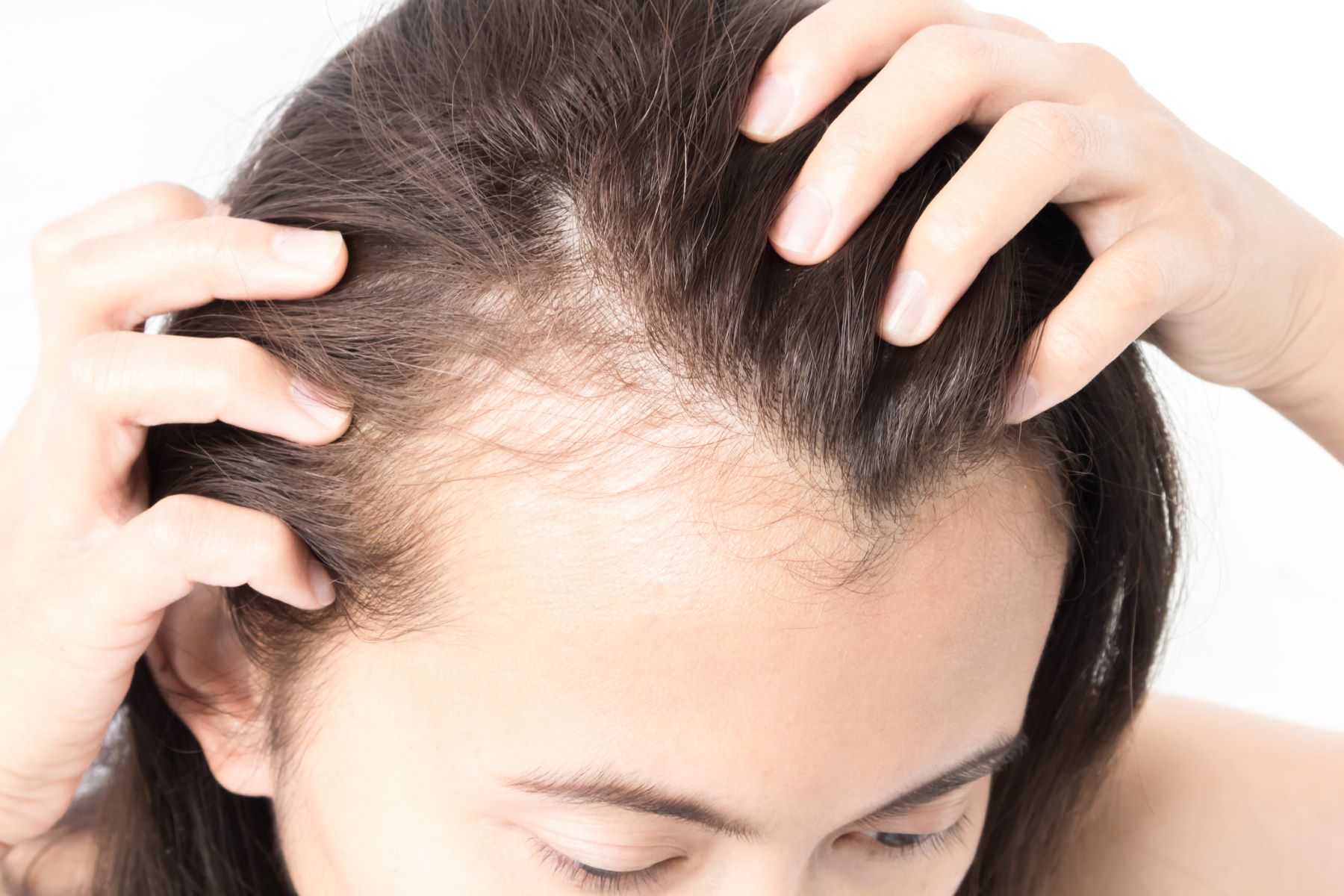
Menopause is a normal life change that signifies the end of a woman’s reproductive years. Menopause hair loss is one of the many physical and mental changes it causes, but it’s a feature that’s sometimes missed. The whole well-being and self-esteem of a woman may be impacted by this upsetting event. But knowing the reasons, looking into possible remedies, and adopting coping mechanisms might enable women to face this difficult stage head-on.
Uncovering the Hormonal Basis of Menopause Hair Loss
The main cause of menopause hair loss is the hormonal changes that take place during this time of transition. Hair follicles shrink when oestrogen and progesterone levels drop, resulting in weaker and thinner hair strands. This may cause visible hair loss, increased shedding, and in certain situations, even patches of baldness.
The growing phase of hair shortens and the resting period lengthens due to its influence on the hair growth cycle. This results in slower hair growth and easier hair loss. Although hair loss during menopause is frequent, each woman’s experience with the degree and pattern of hair loss will be unique.
Factors Other Than Hormones That Affect Menopause Hair Loss
Menopause-related hair loss is primarily caused by hormonal changes, but there are a number of other factors that can make the problem worse. These include dietary inadequacies, medical disorders, stress, genetics, and certain drugs. In the event that hair loss is inherited, you may be at a higher risk of developing it during menopause. In addition to causing hair loss, stress can also interfere with the cycle of hair development.
The health and growth of hair can be impacted by deficiency in vital minerals such as iron, zinc, and vitamin D. Hair loss can be brought on by autoimmune illnesses and thyroid problems, among other medical issues. Hair loss can also be a side effect of some drugs used to treat other medical conditions, such as menopausal symptoms.
Identifying Menopause Hair Loss Symptoms
There are several ways that menopause-related hair loss can appear, and if you can identify the early indicators, you can take preventative action. Thinning hair on the scalp, which is frequently most apparent at the crown or portion line, is one of the common symptoms. Moreover, you could observe extra hair falling out of your hairbrush or in the shower drain. In extreme situations, you may have a progressive receding or thinner hairline and little patches of baldness on your head.
Managing Hair Loss During Menopause: Taking Care of Oneself
Although menopause hair loss can be emotionally upsetting, there are a few coping mechanisms that might ease your transition through this difficult time:
Treat your hair with care. Steer clear of severe style techniques including braids, tight ponytails, and chemical treatments. Consume a balanced diet high in protein, vitamins, and minerals to nourish your hair from the inside out. Take up stress-relieving hobbies like yoga, meditation, or time spent in nature to help you manage your stress.
Think about hair loss remedies. To learn more about possible therapies, such as drugs, topical treatments, or supplements that promote hair growth, speak with your physician or a dermatologist. Accept new hairstyles and try out various looks or accessories, such as scarves or hats, to mask hair loss.
Lastly, look for emotional assistance. Share your sentiments and worries with a therapist, your family, or friends.
Examining Treatment Choices While Seeking Professional Assistance
It’s crucial to get expert assistance if you’re losing a lot of hair throughout menopause. A dermatologist or hair loss specialist can identify the reason behind your hair loss and suggest the best course of action.
Hormone replacement therapy (HRT), topical minoxidil, platelet-rich plasma (PRP) therapy, low-level laser therapy (LLLT), and hair transplants are a few possible therapies for menopause-related hair loss.
Recall that each individual will respond differently to these therapies, so it’s important to weigh the advantages and disadvantages with your doctor before beginning any new course of action.
Accepting and Getting Used to Menopause Hair Loss: Embracing Change
Although experiencing hair loss during menopause might be challenging, it’s crucial to understand that it’s a normal aspect of ageing. You may go through this shift with poise and assurance if you embrace change and put self-care first.
To improve your image, think about experimenting with new haircuts, accessories, or even wigs. Prioritise stress management, upholding a healthy lifestyle, and feeding your body from the inside out. Be in the company of understanding friends and relatives who will support you during this difficult time.
Recall that hair loss during menopause does not define you. As a stunning and resilient woman, you are undergoing a normal change. You may handle menopausal hair loss with resiliency and grace by putting an emphasis on your general well-being, accepting change, and getting expert support when necessary.