

Companies are always looking for fresh approaches to draw in and keep consumers in the competitive business environment of today. Membership cards are one tactic that has worked well in many different sectors. By encouraging client loyalty, increasing sales, and offering insightful analysis of data, these little but mighty tools may greatly affect the success of a company. The many advantages of including membership cards into your company plan will be discussed in this article together with how they may support client happiness and long-term expansion.
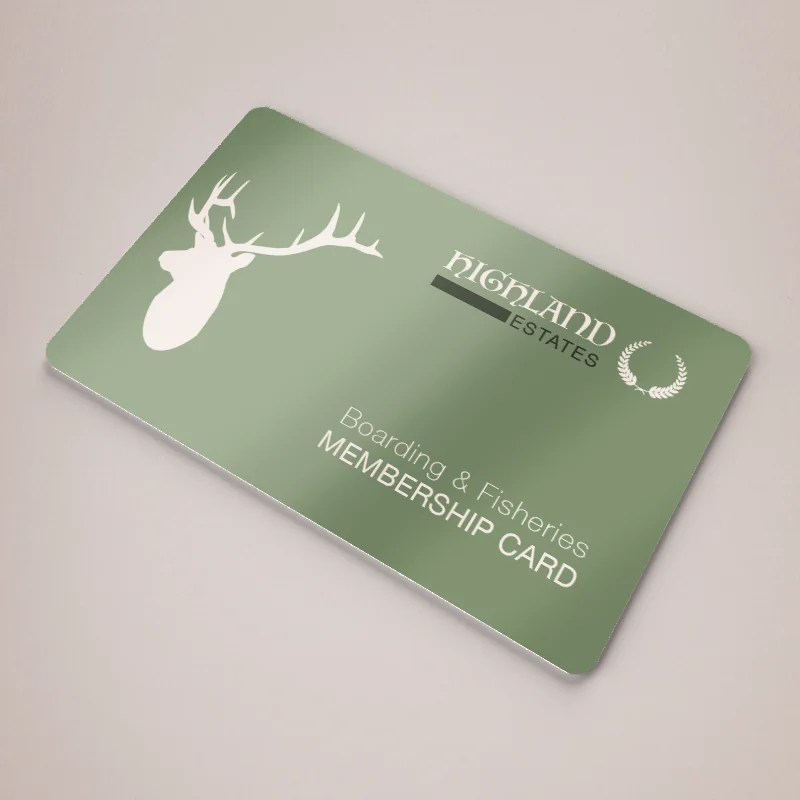
Fundamentally, a membership card is a digital or physical ID that allows users of exclusive perks, discounts, or services. From basic punch cards at neighbourhood coffee shops to complex digital systems linked with smartphone applications, the idea of membership cards has changed dramatically over the years. Whichever their form, membership cards provide a physical link between a company and its consumers, therefore fostering a feeling of uniqueness and belonging.
Businesses decide to use membership cards mostly because they help to build client loyalty. Long-term success depends on developing a devoted clientele at a time when customers have many choices right at their hands. Membership cards inspire loyalty between the client and the company, therefore promoting return visits and transactions. Offering special advantages to cards helps businesses to make their consumers feel cherished and appreciated, therefore strengthening the emotional link between the brand and the customer.
Membership cards’ psychology is intriguing. Customers who have a membership card may feel as though they are investing in the company. This psychological ownership can result in more participation and a better chance of picking that company over rivals. Moreover, utilising a membership card might lead to smart consumerism as consumers believe they are receiving greater value for their money by means of special discounts or prizes.
The possibility of membership cards to boost average transaction values and drive sales makes even another strong argument for their use. Tiered membership systems are used by many companies whereby more expenditure or participation results in more advantages. This system drives consumers to spend more in order to enter the next level, therefore increasing sales. Through focused offers, membership cards may also be used to highlight certain goods or services, therefore enabling companies to introduce new things to their most active consumers or move inventory.
Powerful instruments for data collecting are membership cards as well. Every time a consumer uses their card, companies may learn a great deal about preferences, buying patterns, and frequency of visits. By means of analysis of this abundance of data, one may obtain understanding of consumer behaviour, therefore enabling companies to customise their products, marketing plans, and whole customer experience. Better knowledge about their clients helps businesses to decide on future company orientations, personnel, and inventory control.
Membership cards’ adaptability qualifies them for use in companies of many kinds. Membership cards let retail establishments provide early access to deals and tailored discounts. Restaurants may use a points system whereby patrons get benefits for regular visits. Many times using membership cards to check attendance, gyms and fitness centres provide tie-red access to facilities. By motivating frequent visits or appointments, membership cards help even service-based companies like hairdressers or car washes.
Membership cards have developed in the digital era beyond actual plastic cards. Nowadays, many companies provide digital membership cards that suit well for consumers to access their advantages anywhere, at any moment as they can be kept on cellphones. Many times, these digital systems have extra capabilities such real-time point balances, customised offers, and simple online registration. Additionally offering a more ecologically responsible alternative, the switch to digital membership cards can help to lower the expenses related to manufacturing and distribution of actual cards.
Moreover, a company’s marketing plan may depend much on membership cards. They give businesses a direct line of contact with consumers so they may send special event invites, birthday incentives, or focused advertising. This tailored approach to marketing may greatly raise the success of advertising campaigns and produce a more interesting client experience. Moreover, membership cards can help with word-of-mouth advertising as happy cardholders are likely to tell friends and relatives about the program, therefore generating possible new clients.
Membership cards might be somewhat different for companies running in competitive markets. Offering distinctive advantages or a great rewards program helps businesses stand out from rivals and provide consumers a strong incentive to pick their brand. In sectors where goods or services might be comparable among several providers, this difference is especially crucial.
Furthermore helping to enhance customer service is the use of membership cards. Staff members may offer more individualised advice and help knowing consumer data and purchase history. Stronger bonds between the company and its customers and more customer satisfaction can follow from this improved degree of service. Furthermore, especially when combined with point-of-sale systems, membership cards can simplify the checkout process, therefore improving the customer experience.
From a financial standpoint, membership cards can let companies more effectively control their cash flow and project future income. Many membership programs offer a consistent source of income by requiring an annual renewal or upfront cost. Businesses with seasonal swings may especially benefit from this strategy as it helps to have a more constant income flow all year round. Furthermore, the information gathered via membership cards helps with more precise budgeting and forecasting.
Even while membership cards provide many advantages, companies need properly plan and oversee their initiatives to guarantee success. A well-organised membership program should provide actual value to consumers in line with business objectives and capacity. Along with constant communication with members to get comments and handle any issues, this might include frequent assessment and benefit modification.
Especially in view of growing rules on personal data protection, privacy and data security are major issues while using membership cards. Companies have to be sure they have strong procedures in place to protect consumer data and follow the laws and rules. Maintaining client confidence and preventing any legal problems depend on openness about data collecting and use.
With technological developments opening up fresh opportunities, membership cards seem to have bright future. Leveraging artificial intelligence and machine learning will help to offer ever more customised experiences and predictive recommendations. Transparency and improved security in loyalty programs might come from blockchain technology. Membership cards might perhaps interact with smart home appliances or wearable technology as the Internet of Things keeps growing, providing fresh approaches for companies to interact with consumers.
All things considered, membership cards provide companies in many different sectors a lot of advantages. From boosting sales and customer loyalty to offering insightful data analysis and improving marketing initiatives, these instruments might greatly affect the performance of a business. Membership cards will become even more useful for companies trying to survive in a competitive market as technology develops as their capabilities and uses will also change.
Businesses may build closer relationships with their consumers, get a competitive edge, and open the path for long-term expansion and success by carefully weighing the use of a membership card program. Membership cards remain a great tactic for companies trying to create enduring ties with their consumers and generate sustainable development in today’s fast-paced corporate climate, whether they are conventional physical cards or innovative digital alternatives.
Synergy
Unit 6 – 7, Arcadia Park, Wheelhouse Rd, Rugeley WS15 1UZ
01543 257257
synergy-print.co.uk