
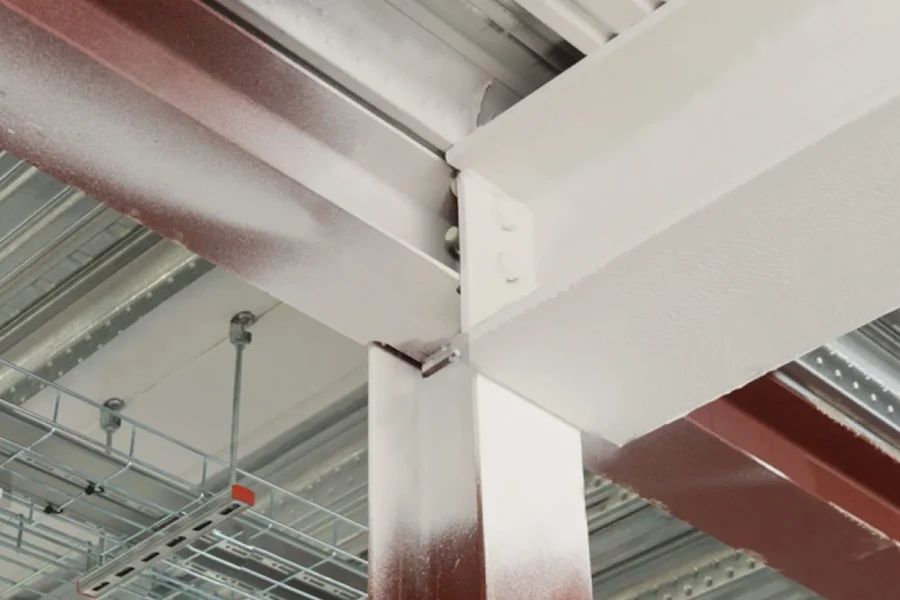
Intumescent paint for structural steel represents one of the most significant advances in passive fire protection technology over the past several decades. This innovative coating system has revolutionised the way architects, engineers, and building professionals approach fire safety in structures ranging from commercial high-rises to industrial facilities. By providing an elegant and effective solution to protecting steel framework from the devastating effects of extreme heat, intumescent paint for structural steel offers both practical benefits and aesthetic advantages that traditional fire protection methods simply cannot match.
The fundamental principle behind intumescent paint for structural steel lies in its unique chemical composition and behaviour when exposed to elevated temperatures. When fire occurs and temperatures begin to rise, the paint coating undergoes a dramatic transformation. Rather than simply burning away or providing a barrier that might crack and fail, intumescent materials expand and swell, creating a thick, insulating char layer that shields the underlying steel from direct heat exposure. This expansion can increase the coating thickness by up to 50 times its original dimension, forming a protective barrier that maintains structural integrity during critical moments when a building’s occupants are evacuating and emergency services are responding.
Understanding the chemistry of these coatings helps explain their effectiveness. Intumescent paint systems typically contain three primary components working in concert. The first component includes a binder, which serves as the foundation holding all other elements together. The second comprises nitrogen-rich compounds that release non-flammable gases when heated, creating the expansion effect. The third involves a carboniferous compound that forms the protective char layer. When temperatures exceed approximately 200 degrees Celsius, these components activate in sequence, with the gases expanding within the binder matrix and the carboniferous materials forming an insulating foam-like barrier. This sophisticated interaction means that intumescent paint for structural steel provides layered protection rather than relying on a single defensive mechanism.
The advantages of selecting intumescent paint for structural steel as a fire protection solution extend far beyond its core functional benefits. From an aesthetic perspective, these coatings offer tremendous flexibility. Unlike bulky cladding systems or encasements that can obscure architectural details or consume valuable internal space, intumescent paints maintain the visual appearance of structural elements. Architects can specify these coatings in various colours, allowing steel members to complement interior design schemes whilst providing invisible but comprehensive protection. This aesthetic versatility means that buildings need not sacrifice visual appeal for safety compliance, an important consideration in sectors where appearance matters significantly.
The practical installation advantages also merit consideration. Intumescent paint for structural steel can be applied using standard spray equipment, roller methods, or brush application, depending on project requirements and accessibility. This flexibility in application methods means projects can accommodate various site conditions and scheduling demands. Unlike some fire protection systems that require extended curing periods or specialised conditions, intumescent coatings integrate readily into standard construction schedules. Workers trained in conventional painting techniques can apply these products without requiring extensive additional specialist training, though quality assurance remains paramount to ensure adequate coverage and thickness.
Performance testing and certification provide confidence in these systems. Independent testing authorities conduct rigorous evaluations of intumescent paint for structural steel, measuring thermal protection duration and effectiveness under standardised fire conditions. These tests simulate real-world scenarios, heating steel samples coated with the paint and measuring internal temperature rise. Results must demonstrate that the coating prevents steel temperatures from reaching critical levels—typically below 538 degrees Celsius—for specified periods ranging from 30 minutes to several hours depending on fire rating requirements. This data-driven approach to performance validation means architects and engineers can specify these products with confidence, backed by objective scientific evidence rather than theoretical claims.
Environmental considerations increasingly influence building material selections, and intumescent paint for structural steel aligns well with sustainability objectives. Unlike some fire protection approaches requiring fireproofing concrete or asbestos-containing products, modern intumescent systems are formulated to minimise environmental impact. Water-based formulations reduce volatile organic compound emissions, improving air quality during and after application. The durability of these coatings means less frequent reapplication than alternative systems, reducing maintenance requirements and associated resource consumption over a building’s lifecycle. Additionally, steel structures themselves are highly recyclable, and their protection with intumescent systems does not compromise their eventual recycling value.
Cost-effectiveness represents another compelling reason for widespread adoption of intumescent paint for structural steel. Whilst initial material costs may appear higher than some alternatives, comprehensive lifecycle analysis typically reveals significant savings. Installation requires minimal specialist labour compared to encasement systems, reducing labour expenses substantially. The avoidance of bulky protective casings means no loss of usable floor space, a consideration particularly valuable in commercial properties where square footage directly translates to rental income. Maintenance costs remain minimal throughout the building’s life, as these coatings remain stable and require only periodic inspection rather than active replacement or repair.
Different building types benefit from these protective systems in various ways. In high-rise office buildings, intumescent paint for structural steel enables efficient fireproofing of internal columns and beams whilst preserving the modern aesthetic that occupants and visitors expect. Industrial facilities protect expensive production equipment by ensuring structural stability during emergencies without obscuring beam-and-column arrangements that facilitate maintenance access. Hospitality venues maintain elegant architectural presentations whilst meeting rigorous fire codes, and educational institutions provide safe environments without compromising the distinctive character of historic or contemporary structures.
The durability of intumescent coatings ensures long-term protection throughout buildings’ operational lifespans. When properly formulated and applied, these systems resist environmental degradation from moisture, ultraviolet light, and atmospheric pollution. Periodic inspections allow facility managers to identify any coating damage and address it promptly before protective capacity diminishes. This proactive maintenance approach extends the effective lifespan of the protection, often exceeding 25 to 30 years with appropriate care. The stability of properly cured intumescent paint means facility managers can confidently specify these systems without expecting premature failure or costly premature replacement.
For renovation and retrofit projects, intumescent paint for structural steel offers particular advantages. Existing structures may lack adequate fire protection by modern standards, yet cladding or encasement systems might prove impractical or prohibitively expensive. Applying intumescent coatings to existing exposed steel provides solutions without major structural modifications or extensive downtime. The non-disruptive nature of coating application means buildings can remain partially or fully operational during protection installation, a significant benefit for occupied structures where vacating would impose substantial costs.
In conclusion, intumescent paint for structural steel represents an evolution in fire protection philosophy—one that prioritises simultaneous achievement of safety, aesthetics, practicality, and environmental responsibility. As fire codes become increasingly stringent and buildings grow ever more complex in design, these advanced coating systems provide solutions that traditional methods struggle to match. Their proven performance, installation flexibility, environmental credentials, and cost-effectiveness combine to make them an increasingly popular choice amongst building professionals worldwide. As understanding of fire protection science advances and formulation technology improves, these coatings will undoubtedly play an expanding role in creating safer, more beautiful, and more sustainable built environments for future generations.
Get in Touch:
NuColour London Sprayers – Cladding & Warehouse Roof Painting
3rd Floor, 86 – 90 Paul St, London EC2A 4NE
0330 133 3420
londonsprayers.co.uk