
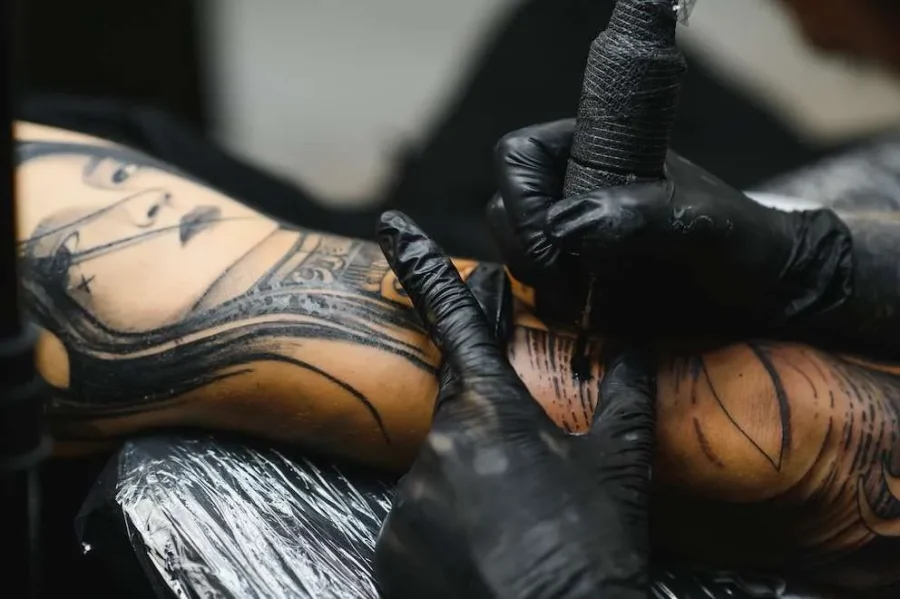
People choose to permanently ink their skin for a variety of reasons, including aesthetics and personal meaning, making tattooing a beloved form of self-expression for a long time. Although many consider the discomfort of getting a tattoo to be a necessary evil or a symbolic aspect of the ritual, not everyone is enthusiastic about going through with it. Therein lies the use of tattoo numbing cream. If you want your tattoo numbing cream experience to go off without a hitch, it’s important to know what to expect before you apply it.
In order to make getting a tattoo less painful, people often use tattoo numbing creams, which are topical anaesthetics. To alleviate aches and pains, these topical medications temporarily obstruct skin nerve signals. Several factors, like as the cream’s composition, the person’s skin type, and the area of the body being tattooed, can affect the degree of the numbing effect that these creams can produce upon application.
Find out how long the tattoo numbing cream will be effective before you use it. It is recommended to use numbing cream thirty to forty-five minutes prior to the tattooing procedure. This gives the skin time to absorb the active compounds before they take effect. Be sure to read the directions thoroughly before using any cream, as some may recommend longer application times. If you’ve never used the cream before, it might be best to get a little tattoo to see how it works and how much you can tolerate.
The capacity of tattoo numbing cream to reduce pain-related anxiety is one of its most important advantages. A lot of people are scared to get their first tattoo because they think it will hurt. People can alleviate these sensations and concentrate on the creative parts of the process instead of the physical ones if they know a numbing cream is accessible. Tattoo numbing cream can be a lifesaver for people who have low pain thresholds, making the process of getting inked much more bearable.
Although tattoo numbing cream can significantly alleviate pain, it is important to note that it does not completely remove discomfort. Some people may feel a powerful numbing feeling, while others may just feel mild discomfort, due to the varying degrees of anaesthesia. While the cream does a great job of reducing discomfort, it’s important to keep in mind that some parts of the body are naturally more sensitive than others, so it’s best to keep your expectations in check. Even after applying numbing cream, certain areas—like the ribs, knees, or ankles—that are close to bone or have less skin may still feel some discomfort.
In addition to the tattoo artist’s technique and the needle type, other factors can affect how well tattoo numbing cream works. Some artists like to move swiftly and may change their approach depending on what the client says while they’re working. The tattoo artist may modify their technique to make the procedure more tolerable for the customer if they are informed that numbing cream has been utilised. The artist and client must maintain open lines of communication; addressing the client’s pain levels and making adjustments as needed will greatly improve the session.
Also, there are some things to keep in mind when using tattoo numbing lotions. It is important to think about the possibilities of skin responses and sensitivities to the active substances. Performers should always perform a tiny skin patch test before applying numbing cream to a larger region to be sure there won’t be any negative responses. To avoid risks, it is recommended that those with sensitive skin or specific sensitivities see their healthcare professional prior to applying tattoo numbing cream.
When applying tattoo numbing cream, certain people could have different feelings. Normal components of numbing include common sensations like tingling, mild burning, or chilling. It is critical to remove the cream promptly and seek professional advice if any extreme itching, blistering, or unusual discomfort occurs. You can avoid most side effects by taking the medication exactly as prescribed.
Problems, like skin irritation and possible toxicity, might arise from using tattoo numbing cream excessively. Additionally, tattoo artists have the right to decline to work with customers who have used too much cream, since this can change the skin’s condition and make tattooing more challenging. This highlights the importance of moderation and following directions to the letter.
Whether or not you opt to use tattoo numbing cream might also affect how your tattoo heals once it’s finished. Because numbing cream lessens the acute pain of the tattooing needle, some people find that their post-tattoo experience is less uncomfortable after using it. On the flip side, regardless of whether numbing cream was used or not, it is crucial to follow the correct aftercare procedures to guarantee proper recovery.
Even while numbing cream is an important part of getting a tattoo, it shouldn’t change how you handle aftercare. Whether or not numbing cream was used, it is crucial to follow the artist’s recommendations in order to promote good healing. The skin must heal from the needle’s trauma in the time immediately following a tattoo, so this is an important phase. The proper healing of the tattoo can be achieved by keeping the region clean and moisturised and by avoiding direct sunlight and water.
You should also think about how using tattoo numbing cream can affect the tattoo’s longevity. A stronger emotional connection to the piece of art, some say, might result from the agony felt when getting a tattoo. But this is up for debate. Applying numbing cream before getting a tattoo is a common practice that helps many people cope with the pain and enjoy the process more. This way, they can focus on the beautiful artwork rather than the ache.
It is interesting to observe that as more tattoo artists learn how to utilise tattoo numbing cream, its popularity among tattooers grows. A lot of people now have opinions on the best ways to use numbing cream when getting a tattoo. Numbing treatments are becoming more mainstream, which could encourage more clients to use them, especially those who were afraid of the discomfort in the past.
Before getting a tattoo, anyone thinking about using a numbing cream should do their research and talk freely about it with tattoo artists. From their own personal experiences, artists can offer insightful advice on when and how to apply certain techniques. By having this conversation, you and your tattoo artist can learn each other’s preferences for the best tattooing experience possible.
All things considered, tattoo numbing cream is an option worth considering for anyone seeking to reduce pain when getting a tattoo. While it won’t make getting a tattoo completely painless, it will make it far less so, opening the tattoo-getting process to more people. People will be better able to make educated decisions if they have a firm grasp of its uses, possible reactions, and interactions with tattoos.
If you’re nervous about getting a tattoo for the first time, researching tattoo numbing cream can help ease your fears and open your mind to the beauty and meaning of this expressive art form. With the right knowledge about tattoo numbing creams, anyone getting a tattoo—from a seasoned pro to a complete novice—can have a more satisfying and meaningful experience.