
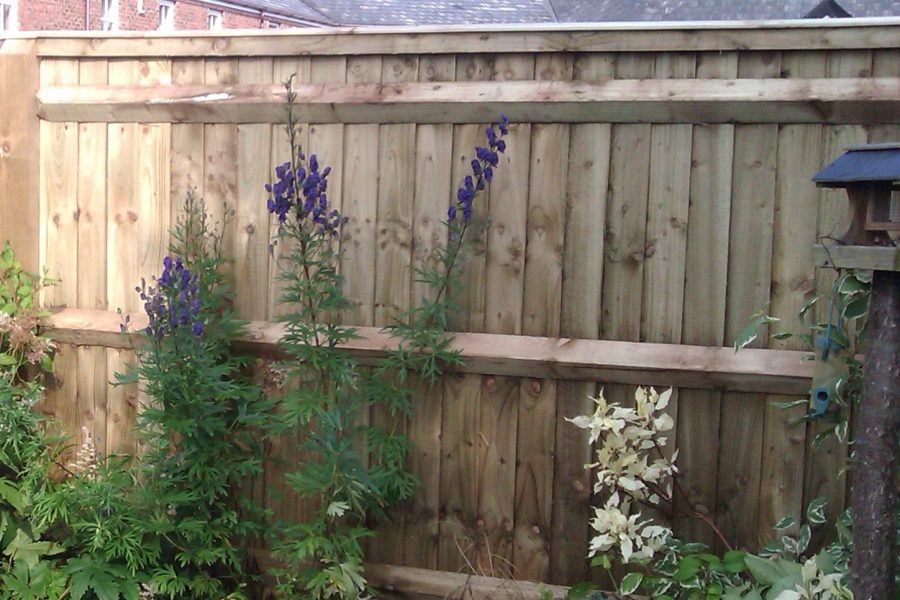
Feather edge fencing represents a straightforward approach to garden boundaries that has remained practical for decades. The overlapping board design, tapered along one edge, creates a weathered appearance whilst offering genuine functionality. Unlike more contemporary fencing styles that prioritise uniformity or minimalism, feather edge boards work with the natural qualities of timber, accepting weathering as part of their character rather than fighting against it. This acceptance of imperfection often appeals to homeowners who value authenticity over pristine maintenance.
The enduring popularity of feather edge boards reflects a broader truth about garden design: preferences evolve, but practical solutions rarely disappear entirely. As lifestyles change and gardens serve different purposes across the seasons, boundaries need to accommodate shifting priorities without requiring complete replacement. Feather edge fencing sits comfortably within this reality, offering the flexibility that modern property owners increasingly demand from outdoor structures.
The overlapping profile of feather edge boards creates a naturally robust barrier. Each board laps over its neighbour, shedding rainwater away from gaps and providing visual privacy without the sealed, formal appearance of closed-boarded alternatives. This design has persisted because it responds to genuine environmental challenges: exposure to British weather, the movement of timber as it absorbs and releases moisture, and the practical need for boundaries that remain functional without obsessive maintenance routines.
For gardeners planning their boundaries, feather edge boards present several practical advantages. The timber’s natural finish weathers to silver-grey tones that integrate with most garden styles, whether formal or deliberately relaxed. The boards are available in varying qualities and densities, allowing property owners to choose materials suited to their budget and longevity expectations. Pressure-treated options extend durability considerably, addressing the moisture exposure that affects untreated timber in damp British climates.
The visual character of feather edge fencing also adapts well to different garden contexts. Against contemporary architecture, weathered boards can provide textural contrast; in cottage gardens, they reinforce an established aesthetic; in modern designs, they introduce organic warmth that softer materials sometimes struggle to achieve. This versatility means that feather edge boards rarely feel dated, even as surrounding garden design moves through different trends. Whether you’re seeking options for replacement panels or planning a complete boundary installation, sources like feather edge fence boards are readily available through established timber suppliers across the region.
Choosing feather edge fencing often reflects a decision to embrace a particular approach to property maintenance. Rather than selecting materials that promise to resist change, many homeowners deliberately choose timber products that will visibly weather. This shift in perspective—from viewing weathering as failure to understanding it as character development—influences how people approach their entire garden project.
Practical Considerations When Planning Your Fencing
Installing feather edge boards requires attention to several practical details that affect long-term performance. The foundation of any fence—how boards connect to posts and ground—determines whether your boundary remains functional through multiple seasons of frost, thaw and moisture fluctuation. Concrete gravel boards, positioned between timber boards and the soil, protect the most vulnerable section of the fence by preventing direct contact between wood and damp ground. This simple addition substantially extends the working life of feather edge fencing, particularly in areas where soil drainage is less than ideal.
The choice of fence posts also shapes how well feather edge boards perform over time. Timber posts, if pressure-treated, offer traditional reliability and integrate visually with the boards themselves. Concrete posts provide an alternative where greater durability or reduced maintenance is preferred, and they remain invisible behind the board work. Either option works effectively with feather edge boards; the decision often comes down to personal preference and whether you anticipate maintaining the fence actively or prefer a lower-intervention approach.
Board thickness and timber density affect both the fence’s visual weight and its weathering characteristics. Thicker boards weather more slowly, maintaining definition in their tapered profile for longer. Thinner stock, whilst economical initially, may develop a softer appearance within a few seasons. Neither outcome is inherently wrong; they simply represent different points on the spectrum between investment now and accepting visual change over time.
Working with Timber That Moves and Weathers
Timber responds to moisture and temperature changes across seasons, expanding and contracting fractionally with each cycle. This movement is entirely natural and manageable when feather edge boards are installed with appropriate gaps and flexible fixings. Unlike solid barriers that might buckle under pressure from movement, the overlapping profile of feather edge boards accommodates this natural behaviour, which is partly why the design has endured so successfully.
Weathering of untreated feather edge boards follows a predictable pattern. The exposed surfaces silver gradually, whilst boards facing away from direct weather age more slowly. This uneven patina is often considered desirable, adding visual depth rather than appearing neglected. For those preferring a more consistent appearance, regular maintenance with appropriate wood treatments can slow weathering, though even treated boards will gradually show their age in ways that reveal rather than conceal the timber beneath.
The natural tannins in timber can leach from boards during heavy rain, potentially staining adjacent surfaces or paving. This is temporary and usually rinses away within weeks, but it’s worth anticipating if your fencing borders light-coloured masonry or expensive paving. Similarly, moss and algae may establish on feather edge boards in shaded, damp positions; whilst this doesn’t damage the timber, some homeowners prefer to remove it periodically for visual reasons.
Coordinating Your Fencing with Other Garden Choices
Garden boundaries exist within a larger environment. Feather edge fencing often works well alongside other timber elements—decking, sheds, railway sleepers used in landscaping—because it shares authentic material characteristics. This coherence can make a garden feel intentionally designed rather than assembled from disconnected components.
The height and spacing of feather edge boards also influence how they function within your garden. Standard heights around 1.8 metres provide privacy and wind protection whilst maintaining proportions that don’t dominate the garden visually. Closer spacing between posts produces a more rigid, formal appearance; wider spacing allows boards slightly more movement, which some prefer for aesthetic or practical reasons.
Existing mature trees, neighbouring properties and site drainage all influence how successfully feather edge fencing will perform. South-facing exposures dry faster and weather more visibly; north-facing installations remain damp longer but weather more slowly. Understanding your specific conditions allows more realistic expectations about maintenance and visual development.
When Replacement and Modification Become Necessary
Unlike boundaries that must be entirely removed and rebuilt, feather edge fencing can be refreshed partially. Individual damaged boards can be replaced without disturbing the whole structure, and posts can be reinforced or replaced as needed. This modularity means your fencing investment doesn’t become redundant simply because sections age differently. For many homeowners, this capacity for incremental improvement appeals more than systems requiring complete replacement.
Over time, your priorities for that boundary may change. A fence installed primarily for privacy might later need modification to increase ventilation. A boundary line might need adjustment to accommodate new planting. Feather edge fencing, because it’s relatively straightforward to modify, adapts reasonably well to these evolving needs without demanding a complete re-engineering of your garden perimeter.
The decision to maintain, refresh or eventually replace feather edge fencing reflects broader choices about how you want your garden to develop. Some property owners enjoy the active engagement of maintaining timber boundaries; others prefer to make a single substantial investment in materials that need less intervention. Both approaches are valid, and recognising your own preference influences which fencing style, timber quality and maintenance strategy makes most sense for your circumstances.
Making Your Fencing Choice Fit Your Lifestyle
Selecting feather edge boards ultimately reflects how you want your garden to age. The material accepts weathering as a natural process rather than resisting it through sealed finishes or synthetic alternatives. This acceptance requires neither resignation nor particular commitment to regular maintenance; it simply means understanding that timber boundaries will change visibly and that this change is part of their story rather than a sign of failure.
For many gardeners, this resonates more deeply than the promise of unchanging perfection. Gardens themselves are fundamentally dynamic—plants grow and decline, seasons shift light and shadow, and priorities evolve as life circumstances change. A boundary that moves through its own weathering cycle feels more coherent within this reality than one designed to resist all change indefinitely.
Feather edge fencing continues to appear in contemporary gardens not because it represents nostalgia, but because it solves genuine practical problems whilst maintaining an honest aesthetic. As your garden develops and your priorities shift over the years ahead, this flexibility—both practical and visual—ensures your boundary remains genuinely useful rather than merely decorative.