
One of the first concerns that homeowners ask when looking at possibilities for a loft conversion is, why is there such a big difference in cost when comparing a regular to a dormer project. The answer is not only about size, since a dormer loft conversion cost is determined by the additional building work, structural alterations, and usefulness provided by a dormer. This is why a dormer loft conversion normally costs more, it provides you with extra headroom and floor area. A conventional loft conversion is normally easier.
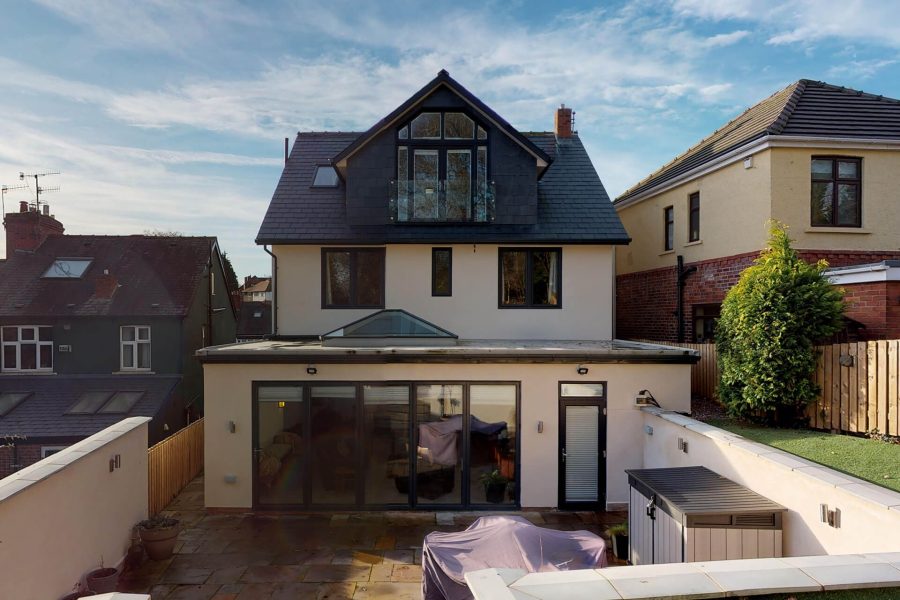
A conventional loft conversion usually works within the existing roof form thus the project is usually less intrusive. A dormer loft conversion cost, on the other hand, is more since the roof structure needs to be changed to create a box-like addition that protrudes from the hillside. That switch makes the space arrangement better inside but requires more resources, more effort and more preparation.
Structural complexity is one of the primary drivers of the cost difference. While a dormer loft conversion cost increases when part of the roof is opened up and rebuilt, a typical loft conversion may simply require reinforcement to the floor and minor alterations to the roof. This includes carpentry, roofing, insulation, windows, plastering, and frequently more steelwork to support the new portion safely.
Another big issue is headroom. If the roof pitch is low, a traditional loft conversion will seem restrictive as the current shape of the loft will dictate how much of the floor area will be utilised. A dormer loft conversion cost is frequently greater since the extra vertical walls offer more standing area, making the room more useful for bedrooms, offices, or baths. That added comfort and flexibility is worth it, but it does have a cost.
The amount of labour also has a big influence on the pricing. The basic conversion often requires fewer trades and less time to build, which helps keep costs down. The requirement for roofers, carpenters, joiners, electricians, plumbers, and plasterers to work on a more complicated job over a longer period of time increases the dormer loft conversion cost in comparison. greater time on site typically implies greater expenditure in total.
Materials are part of it too. In most loft conversions you would want to make as much use of the existing roof as possible in order to keep costs down. The requirement for more wood, roofing materials, insulation, windows, internal finishes, and frequently heavier structural elements drives up the dormer loft conversion cost. The higher the price the more material that has to be provided and installed.
You may see the change in another area: windows. The window layout might be very restricted in a typical loft conversion as the roofline is being left pretty much as it is. A dormer loft conversion cost is more because dormers sometimes include larger windows or even full-height glass, which increases natural light and makes the area feel more like a room. Those windows are both beautiful and practical, but they aren’t inexpensive.
Budget might also be affected by planning and compliance. Some loft conversions are approved development but the design still has to be in accordance with building rules and structural standards. A normal conversion is likely to be simpler to maintain simple, but a dormer loft conversion cost can rise if the plan requires more extensive checks, more involved permissions, or more work to meet safety and insulation regulations. Anything else from the professional side will change the overall number.
Size of property also counts. A smaller property with a modest roof may simply need a simple standard conversion, which may keep prices reasonably limited. If the homeowner wants a full-width dormer, more storage or an en-suite bathroom, the dormer loft conversion cost will likely increase. The more room you desire to have, the more the budget is going to increase.
Another reason costs differ is location. Labour and material prices will differ around the country, thus a project in one area might be more expensive than the identical development in another. A normal conversion may be less affected as it is easier and quicker, but a dormer loft conversion cost might be significantly higher in locations where trades are in great demand and site access is more problematic. This implies the same design might yield quite varied estimates depending on the location of the property.
The chosen finish also affects the whole figure. If the aim is only to create a functional room, a basic conventional loft conversion can be sufficient. However, a dormer loft conversion cost usually reflects the fact that homeowners want the finished product to be light, roomy, and fully incorporated into the house. Fitted storage, better flooring, bespoke stairs or a bathroom can add to the total cost, especially if the dormer is being finished to a higher quality.
Value, not simply the expense, should be taken into consideration as well. A typical conversion may be the cheapest option, but might lead to a more restricted room if the form of the roof limits useable area. A dormer loft conversion cost is more but it may sometimes offer a far better return in terms of practicality since the space can be utilised in more ways and can add more appeal to future purchasers. In other words, the additional expenditure is not only about building, but also about the quality of the final area.
For many homeowners, it boils down to how they want to use the loft. But if you are only looking for a basic spare room and the roof has appropriate height, then a normal conversion can be sufficient. If you want to build a full bedroom, office or bathroom, with standing room, the greater dormer loft conversion cost is typically worth it for the increased usage. It’s not so much about paying for a nicer label, but paying for a better outcome.
There’s also a pragmatic reason why dormer projects are more expensive – they tend to solve problems that regular conversions can’t. Standard lofts might feel compromised with low ceilings, odd angles and inadequate lighting. The cost of a dormer loft conversion reflects the effort required to overcome these obstacles and make the loft a comfortable place to live. That additional change is what makes the design more expensive from the start.
The difference in price between a normal and a dormer loft conversion boils down to the amount of structural work necessary, the quantity of manpower, the type of materials used, the degree of finish and the amount of useable space that results. The conventional conversion is the easier and cheaper alternative, but a dormer loft conversion cost is greater since it provides more headroom, more light and more flexibility. The increased price is frequently part of the value for homeowners who want a loft to feel like a real extension of the house.