

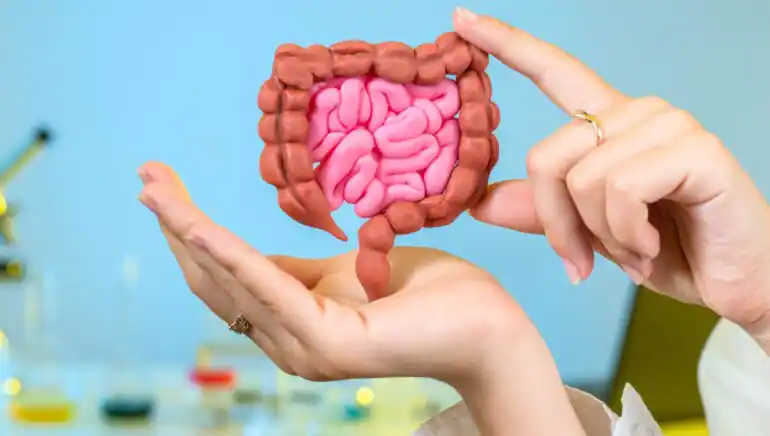
In recent years, there has been a tremendous increase in the amount of attention that has been paid to the investigation of the gut-brain axis and its function in overall health, particularly mental health. Research has demonstrated that there is a close relationship between gut health and mental health, which has led to the rising realisation that a gut health expert may play an important role in the management and improvement of both mental and physical wellbeing. The purpose of this essay is to look into the complexities of this connection and the potential advantages of utilising the services of a gut health specialist who has experience in dealing with cases of anxiety and depression.
The microbiome of the gut, which is made up of billions of different microbes, is considered to be an essential component in many aspects of human health. Additionally, the microbiome plays a role in the regulation of the immune system, the production of important neurotransmitters and nutrients, and the facilitation of digestion and nutrition. Irritable bowel syndrome, inflammatory bowel disease, and obesity are just some of the physical health problems that have been related to dysbiosis, which is an imbalance in the microbiome of the gut. Furthermore, there is a growing body of information that suggests that dysbiosis in the gut is also significantly connected with mental health issues such as anxiety and depression.
Over three hundred million individuals throughout the world are affected by depression, which is a mood disease that is marked by persistent feelings of melancholy, loss of interest, and poor self-worth emotions. A much increasing number of people all over the world are affected by anxiety disorders, which are characterised by excessive worry, fear, and apprehension towards the future. Both of these disorders are quite common and have been found to have a strong correlation with a detrimental effect on one’s quality of life. Due to the fact that the underlying causes of many mental health issues are not fully understood, increasing our understanding of the connection between the gut and the brain and enlisting the assistance of a gut health expert may prove to be essential in order to improve mental health outcomes.
There are a multitude of chemical messengers, neuronal routes, and neurotransmitters that are responsible for mediating the gut-brain axis, which is a complex communication network that runs in both directions between the central nervous system and the peripheral nervous system. One of the most important participants in this intricate conversation is the enteric nervous system of the gut, which is frequently referred to as a “second brain” because to the similarities it shares with the central nervous system. The vagus nerve and the generation of important neurotransmitters, such as GABA, dopamine, and serotonin, are both responsible for facilitating this vital flow of information between the brain and the gut. It has been demonstrated through research that the microbiota of the gut can exert a direct influence on the production of these neurotransmitters, which in turn has a major impact on attitudes, behaviours, and cognitive processes.
The gut is the primary site of synthesis for the neurotransmitter serotonin, which plays a substantial role in the regulation of mood, hunger, and sleep. It is estimated that around 90 percent of serotonin is synthesised within the enteric nervous system. Alterations in the composition and diversity of the microbiota in the gut have been found to have an effect on serotonin levels, which in turn has the potential to have an effect on the mental health of an individual. Because of this, the relationship between gut health and depression is becoming an increasingly prominent and interesting topic of discussion.
An individual can receive assistance in navigating this interwoven environment with the assistance of a gut health expert who has an in-depth grasp of the intricate relationship that exists between the gut microbiome and mental health. People are able to adopt individualised techniques to promote gut health and eventually improve mental health outcomes when they work together with a gut health professional. It has been demonstrated that a diet that is abundant in a wide variety of foods that are high in nutrients and fibre, as well as the consumption of fermented foods and probiotics, can not only promote the balance of the microbiome in the gut but also boost the production of neurotransmitters. Furthermore, in order to maximise gut health and, consequently, mental well-being, it is essential to maintain an active lifestyle, learn how to effectively manage stress, and make getting enough sleep a priority. All of these things can be supported by a gut health expert.
The existence of a connection between poor gut health and anxiety, another widespread mental health problem, has been established. Chronic stress, which is frequently linked to anxiety, can result in an increase in the production of cortisol, which can disrupt the equilibrium of the microbiome in the gut and lead to the development of gut dysbiosis. This, in turn, may contribute to compromised immunological function, increased inflammation, and changed neurotransmitter levels, all of which may contribute to an increase in anxiety symptoms.
When it comes to this particular situation, working together with a gut health expert might be of huge assistance. People are able to actively work towards alleviating the load of anxiety by establishing specific tactics to restore gut balance, such as incorporating foods that are rich in probiotics. Additionally, the implementation of stress-reduction strategies such as mindfulness and meditation, which are practices that are known to have a favourable impact on gut health, can further contribute to the relief of symptoms being experienced.
It can be quite beneficial to seek the assistance of a gut health expert. By addressing the complex relationship that exists between gut health and mental health, it is possible to make a significant contribution to the healing process and break the silence that frequently surrounds issues related to mental health. Through the utilisation of the enormous knowledge that a gut health specialist possesses, individuals are able to take proactive and individualised actions to improve both their mental and physical well-being.
In conclusion, learning about and effectively treating mental health conditions such as anxiety and depression requires an awareness of the relationship that exists between the gut and the brain. As the substantial influence that the gut has on mental health becomes more and more apparent, the role of the gut health expert becomes a position of major importance. It is possible for a gut health specialist to empower patients to take important steps towards improving mental health outcomes by giving individualised counsel on how to improve gut health. People are able to unleash the significant benefits of having a healthy and well-balanced gut microbiome by making changes to their food and lifestyle, which can be accomplished with the assistance of a gut health expert.