

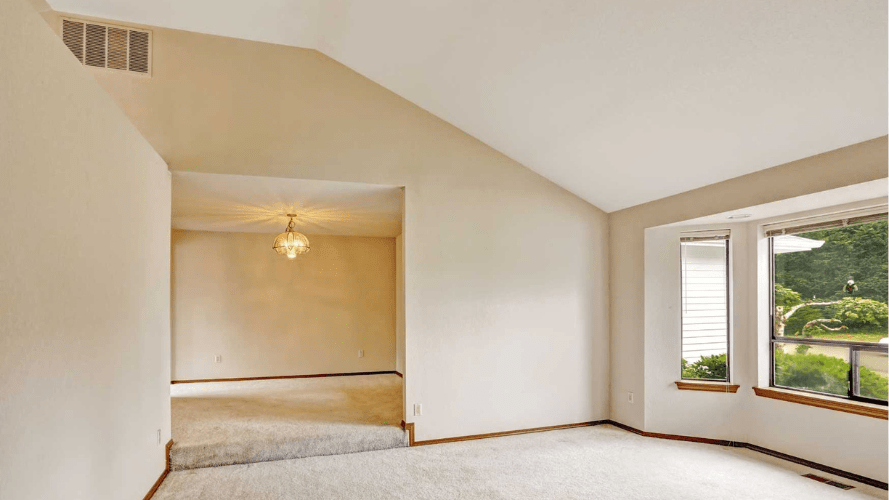
When an owner of a home or flat passes away, the property still requires protection even though the owner is no longer around to take care of it. Probate property insurance is a unique and growing type of coverage since, in reality, a vacant or under-occupied property is frequently more vulnerable than one that is regularly occupied. Knowing how this kind of insurance operates can save executors, administrators, and beneficiaries a great deal of stress, money, and future legal issues.
Why Conventional Home Insurance Frequently Fails
The majority of standard building and contents policies are drafted under the presumption that the property is inhabited. They usually include requirements that the house must be inhabited for a predetermined number of days in a row, usually between thirty and sixty. Standard insurers may refuse to pay out on a claim or nullify the policy entirely if a property has been vacant for more than that amount of time. This is a real issue during probate because it can take anywhere from six months to a year to administer an estate, often longer if it is complicated, contentious, or involves overseas assets.
Probate property insurance is crucial in situations like these. It is especially made to cover properties that are vacant due to the death of their owner and the probate process. Probate property insurance is designed to provide ongoing protection throughout the time between death and the sale or transfer of the property to a beneficiary rather than penalising the property for being vacant.
Who Is in Charge of Setting Up Coverage?
The idea that a deceased person’s current house insurance simply continues as usual is one of the most prevalent misconceptions in estate administration. In actuality, the majority of insurers demand notification of the policyholder’s passing, and many will either terminate the policy or drastically change its terms after learning of it. This implies that executors have an obligation to quickly assess the current arrangements and, in most situations, to set up new probate property insurance as soon as possible following death.
The executor or administrator designated in the will, or in the absence of a will, the person qualified to request letters of administration, bears this responsibility. An uninsured or underinsured property poses a serious financial risk to the estate as a whole, and whomever is working on behalf of the estate has a duty of care for its assets even before probate has been officially granted. Inadequate insurance would gradually lower the amount that beneficiaries receive if the property were damaged by fire, water, storm, or vandalism.
What’s Usually Covered by Probate Property Insurance
The building itself is typically protected against hazards including fire, storm damage, floods, water escape, subsidence, and malicious damage by a well-structured probate property insurance policy. Many policies also cover unintentional damage, which is especially important if the property is being cleared, remodelled, or made ready for sale during the probate term. This type of work involves its own hazards of unintentional spills, breakages, or structural knocks.
Another crucial component is public liability coverage. Liability coverage shields the estate against lawsuits in the event that a postal worker, tradesperson, estate agent, or family member is hurt on the property or if the vacant structure damages a nearby property. This liability protection is far from a minor factor because vacant properties can deteriorate more quickly, especially with problems like undetected water leaks or storm damage that no one is there to see.
It is also possible to acquire contents coverage, though this is frequently less than a conventional home policy because insurers understand that a property with no regular occupants has a higher risk of theft. When setting up probate property insurance, anyone should talk to the insurer about what personal belongings are still in the property and whether they require special coverage or separate appraisal. This is especially important for valuable goods like jewellery, artwork, or antiques.
Particular Requirements and Conditions
Probate property insurance policies often include additional requirements since vacant properties have a higher risk profile. Insurance companies frequently demand that the property be inspected on a regular basis, usually at least once every two weeks, and that these inspections be documented. This is meant to make sure that issues like leaks, break-ins, or storm damage are found and fixed right away rather than being allowed to worsen for weeks or months.
Additional restrictions that are commonly included in probate property insurance include the need to disconnect non-essential appliances, keep the property secure with all windows and doors secured, and keep the heating on at a minimum level during the colder months to prevent frozen and broken pipes. If the house will be vacant for a long time, some insurers also request that valuables be taken out of the house or safely stored somewhere else. Even in cases where the underlying policy would have provided coverage, a claim may be void if these requirements are not met, hence it is important to carefully study the policy language.
Probate Property Insurance Costs
Given the higher risk involved with an empty structure, it is logical to assume that probate property insurance will be more expensive than a standard inhabited home coverage. The precise premium is determined by a number of factors, including the property’s location and value, how long it is anticipated to be vacant, the degree of security in place, and whether the property has any pre-existing problems, such as a history of flooding or subsidence. For an estate already dealing with a number of fees and charges, this extra expense may seem undesirable, but it is essential. In the event that something goes wrong, the alternative—being uninsured or depending on a lapsed policy—exposes beneficiaries to a far greater financial risk.
Subject to the customary obligation to act in the best interests of the estate and maintain accurate records of expenditure, executors should account for the cost of probate property insurance in their overall administration of the estate, treating it as a legitimate expense that can normally be paid from estate funds before distribution to beneficiaries.
Time and Length of Coverage
Since the property is still at risk during this time, it is best to get probate property insurance as soon as the death is confirmed rather than waiting until probate has been officially granted. Until the property is sold, transferred into a beneficiary’s name and reinsured under a regular policy, or otherwise disposed of as part of the estate’s administration, coverage usually must continue.
The insurance should be renewed or extended appropriately rather than being allowed to expire if the sale process takes longer than anticipated, which is common given volatile real estate markets and the occasionally drawn-out conveyancing process. Executors should carefully schedule renewal dates since even a small lapse in coverage could be expensive if harm happens during that time.
Useful Actions for Executors
Finding any current insurance records for the property and contacting the insurer to notify them of the death and enquire about the policy’s future course should be the first step for anyone serving as an executor or administrator. Since terms might fluctuate significantly between providers, it will usually be required to look for probate property insurance and compare what various insurers require and give. It seems sense to record the property’s condition early on, including any photos that may be helpful for the estate’s broader administration as well as insurance.
Maintaining a record of property visits, maintenance performed, and correspondence with the insurer will help prove that the policy’s requirements have been fulfilled. This is especially helpful in the event that a claim needs to be filed. Lastly, executors should routinely assess the extent of coverage, especially if the property’s worth fluctuates or if conditions change, like the property being cleared of its contents before a sale.
In conclusion
When someone is dealing with the loss of a family member or the duties of estate administration, probate property insurance may not be the first thing that comes to mind. However, it is an essential safeguard that protects the financial interests of everyone who stands to benefit from the estate as well as the physical asset. Executors can make sure that unanticipated financial losses resulting from an uninsured or insufficiently insured property do not worsen a difficult time by knowing what probate property insurance covers, who is in charge of setting it up, and what criteria usually apply.