

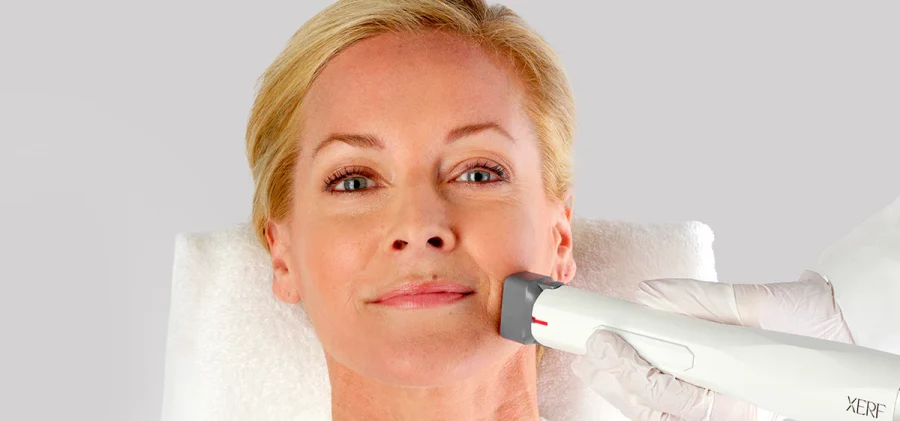
Aesthetic clinics are taking notice of the Xerf treatment, a relatively new name in skin tightening technology that has made great strides in recent years. People who desire noticeable firming results without the downtime associated with more invasive procedures have found success with this radiofrequency-based technique to treating sagging or loose skin. It does not need surgery, needles, or numbing lotion. If you are thinking about scheduling a Xerf treatment, it’s helpful to know what to expect in the days and weeks following your procedure so that you can be well-prepared.
Xerf Treatment: What Is It?
Radiofrequency radiation is the backbone of Xerf treatments, which aim to precisely heat the dermal layers. This innovation combines the delivery of two distinct frequencies simultaneously, allowing energy to reach the superficial, intermediate, and deep layers of tissue all within a single treatment session, in contrast to earlier radiofrequency devices that can only operate at a single depth. The gradual improvement of firmness, texture, and overall tone is achieved by stimulating the skin’s natural production of collagen and elastin. There are no incisions, injections, or numbing agents needed because the energy is supplied through the skin’s surface without breaking it. This is one reason why the therapy has become so popular for people who desire a lunchtime operation with no disturbance to their daily routine.
Get Ready for Your Consultation
A brief consultation to evaluate your skin and go over your objectives is often conducted by most practitioners prior to a Xerf treatment. In order to determine if the treatment is right for you, it is common practice to look for signs of skin laxity on the torso, neck, or face and review your medical history. In order for the device to come into direct touch with the skin, it is typically recommended that you come with clean skin, devoid of moisturiser, sunscreen, or makeup. Because skin that is already sunburnt or inflamed is not ideal for a radiofrequency therapy, it is therefore wise to limit sun exposure in the days leading up to the procedure. Since a Xerf treatment usually does not necessitate a recuperation period like surgical procedures do, most patients can eat and drink normally before the procedure, and there is no need to arrange time off work afterwards.
What Takes Place Throughout the Meeting
In order to ensure that the device glides easily across the skin and that energy is transferred evenly, a conductive gel is typically used once your practitioner has approved the treatment plan. Subsequently, the treatment region is meticulously covered with pulses of radiofrequency energy using a handheld applicator. The cooling function that is integrated into many devices used for this sort of treatment helps to keep the skin’s surface pleasant while the deeper layers are heated. There is no numbing cream involved, so you will likely feel the treatment working throughout, but at an acceptable level; most individuals describe the experience as a warm or tingly feeling rather than anything uncomfortable.
The quantity and size of treated areas determine how long a Xerf treatment session will last. A full face and neck treatment could take closer to forty-five minutes, although a smaller area like the under-eyes or jawline might only take a few minutes. By keeping an eye on your skin’s surface temperature and making adjustments as needed, your practitioner will make sure it stays within a safe range during the session. A Xerf treatment can be customised to address specific areas of concern for skin laxity and how your skin reacts by adjusting the depth and intensity settings of the device.
Shortly Following the Procedure
A major selling point of Xerf treatments is the little recovery time required. Most people report feeling slightly flushed or reddened when the session is over, much like they would after a moderate workout or facial massage. Although this usually goes away after a few hours, occasionally it could linger into the next day. You can usually go back to your regular skincare routine and reapply your makeup right immediately because there is usually no swelling, bruising, or broken skin. However, your practitioner may have advised you otherwise according on your skin type.
For the remainder of the day, you may feel some tightness or warmth where the treatment was applied. Some people also report that their skin seems slightly firmer or more luminous nearly immediately after the procedure. This immediate impact is more attributable to the collagen fibres’ short-lived shrinkage in reaction to heat than to the more substantial remodelling that takes place over time. Bear in mind that this temporary brightness is not permanent, and that you will need to be patient for the full effects of a Xerf treatment to show.
Follow-Up Care and Sensitivity to Skin
Post-Xerf care is typically less complicated than that of more invasive procedures as the skin is not broken during a Xerf treatment. In the days after treatment, it is recommended by most practitioners to keep the skin well-hydrated and to use a broad-spectrum sunscreen daily. This is because freshly stimulated skin can be more sensitive to UV radiation. To minimise further heat or discomfort to an area that has been warmed during the session, it is generally recommended to refrain from taking particularly hot showers, going to a sauna, or engaging in strenuous exercise on the day following treatment. Most people discover they can go back to their regular daily activities without any problems after taking these basic safeguards, and there are typically no further limits either.
Although not everyone experiences this, when it does happen, it usually only lasts a day or two and is usually moderate. Some people may feel a little dryness or sensitivity in the treated area. If your skin is really sensitive, your doctor may recommend a more mild skincare regimen for the first week. This includes avoiding retinoids and exfoliating acids while your skin adjusts to the new routine.
Estimated Time of Arrival
Xerf treatments do not provide immediate results, unlike skin injections or fillers. Rather, the body’s response to the heat stimulus—the steady production of new collagen and elastin—is what causes the noticeable improvement to build over the weeks and months after the treatment. Within three to four weeks of the first treatment, many patients report noticeably firmer and smoother skin, and the effects can last for up to three months. Collagen remodelling is not an instantaneous event, but rather a biological process that necessitates time.
One Xerf treatment might not be enough to provide the entire result, especially for people with more severe skin laxity, due to the slow timetable. In order to gradually increase the effects, many practitioners suggest a brief course of treatments that are spaced out several weeks apart. Following the initial consultation, your skin care professional will typically evaluate your skin’s reaction and recommend whether or not additional sessions are necessary, as well as the optimal frequency of these visits to keep your results going strong.
Keeping Your Progress Going
The effects of a Xerf treatment, like those of other non-surgical methods for tightening the skin, will fade with time due to the fact that the body continues to age even after treatment. Regular maintenance sessions can help keep skin firm for longer, and taking care of your skin with sunscreen, moisturiser, and a regular skincare routine will keep the results going in between treatments. In order to achieve the greatest possible outcomes from their skincare program, many patients find that Xerf treatments work best when combined with other non-surgical procedures; a specialist can help patients choose the appropriate order in which to undergo these procedures.
Last Remarks
Anyone seeking to enhance skin firmness without surgery or substantial downtime can consider a Xerf treatment, which is a pleasant, needle-free alternative. Having reasonable expectations, following the procedure with prudent aftercare, and, in many instances, a brief series of sessions instead of one long visit are all crucial to getting the most out of the procedure, which is fast and generally painless. If you know what to expect before, during, and after your visit, you may have a positive attitude and decide if this treatment is right for your skin.