

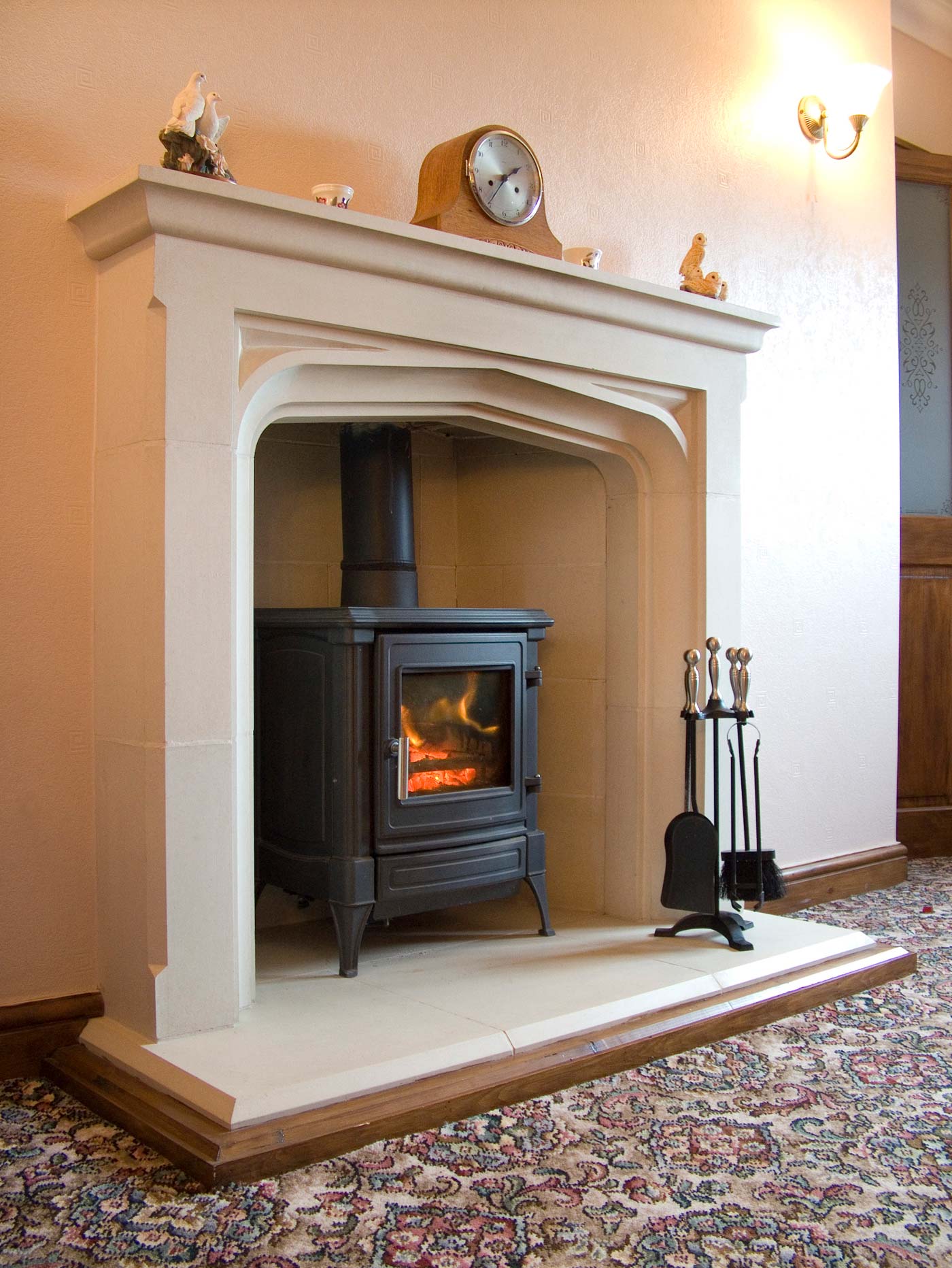
The crackling fire, the flickering flames – fireplaces hold a captivating charm, creating a warm and inviting atmosphere in our homes. But beyond the mesmerizing visuals, a crucial element often goes unnoticed: the fireplace hearth. This seemingly simple platform plays a vital role in both safety and aesthetics. Choosing the perfect fireplace hearth requires careful consideration of several factors. This comprehensive guide delves into the essential aspects to consider when selecting a fireplace hearth, ensuring your fireplace remains a safe and stylish focal point in your home.
Beyond the Surface: The Functionality of a Fireplace Hearth
A fireplace hearth isn’t just a decorative platform. It serves several important functions:
- Safety Barrier: The fireplace hearth acts as a non-combustible barrier between the open flames and surrounding combustible materials like carpets, furniture, or wooden flooring. Building codes typically mandate minimum hearth sizes to ensure adequate fire safety.
- Heat Protection: The fireplace hearth protects your floor from the intense heat radiating from the fire. This prevents heat damage to your flooring material and surrounding areas.
- Ash Collection: The fireplace hearth provides a designated area for collecting ashes and embers that fall from the fire. This facilitates easier cleaning and minimizes the risk of embers spreading onto flammable materials.
- Aesthetic Appeal: The fireplace hearth is a key design element, framing the fire and contributing significantly to the overall aesthetics of your fireplace. The material, color, and style of the hearth can complement the design of your fireplace and living space.
Material Matters: Exploring Fireplace Hearth Options
The ideal material for your fireplace hearth depends on several factors, including heat resistance, durability, aesthetics, and your budget. Here’s a breakdown of popular fireplace hearth options:
- Stone: Natural stone like granite, slate, or limestone offers a timeless and elegant look. Stone hearths are exceptionally heat resistant and durable, making them a popular choice for traditional and contemporary fireplaces. However, they can be expensive and require occasional sealing for certain types of stone.
- Brick: Brick is a classic and affordable option for fireplace hearths. It offers a rustic charm and pairs well with traditional fireplaces. However, brick can be susceptible to cracking over time and might require regular cleaning to maintain its appearance.
- Concrete: Concrete offers a cost-effective and versatile option. It can be stained or colored to achieve various aesthetics and can be custom-poured to fit your specific needs. However, concrete can be prone to cracking if not properly reinforced and might require sealing depending on the finish.
- Tile: Ceramic or porcelain tiles offer a wide variety of design options, allowing for intricate patterns and colors. Tiled hearths are relatively heat resistant and easy to clean. However, grout lines between tiles can require regular maintenance to prevent staining and cracking.
- Metal: While less common, some modern fireplaces utilize metal hearths. Stainless steel offers a sleek and contemporary look, but it can scratch easily and might not be suitable for all design styles. Metal hearths also require regular cleaning to maintain their shine.
Beyond the Material: Additional Factors to Consider for Your Fireplace Hearth
Choosing the right fireplace hearth goes beyond just the material. Here are some additional factors to consider:
- Size and Shape: Building codes typically dictate minimum hearth size based on the fireplace opening. Ensure your chosen hearth meets these requirements and offers a sufficient non-combustible area in front of the fireplace. The shape of the hearth should complement the fireplace design and your overall living space.
- Thickness: The thickness of the hearth depends on the material and the heat output of your fireplace. Consult a qualified professional to determine the appropriate thickness for your specific needs.
- Style and Design: The material, color, and finish of your fireplace hearth should complement the style of your fireplace and the overall aesthetics of your living space. Consider the architectural style of your home and choose a hearth that seamlessly integrates with the design.
- Maintenance: Some materials require more maintenance than others. Consider your lifestyle and cleaning preferences when choosing a material. Stone or tile might require occasional sealing, while brick or concrete might require regular cleaning to maintain their appearance.
- Budget: Fireplace hearths range in price depending on the material, size, and complexity of the design. Determine your budget beforehand and choose a material that offers the desired aesthetics while staying within your financial constraints.
Safety First: Regulations and Considerations
Fireplace safety is paramount. When choosing and installing a fireplace hearth, it’s crucial to adhere to local building codes and regulations. These codes typically specify minimum hearth size, material requirements, and hearth extension distances from the fireplace opening. Consult with a qualified professional to ensure your fireplace hearth meets all safety standards.
Beyond Installation: Maintaining Your Fireplace Hearth for Lasting Beauty
Once you’ve chosen and installed the perfect fireplace hearth, proper maintenance ensures it retains its beauty and functionality for years to come. Here are some key maintenance tips:
- Cleaning: Regularly clean your fireplace hearth to remove ashes, soot, and debris. The cleaning frequency depends on how often you use your fireplace. For most materials, a simple sweeping with a soft brush and occasional wiping with a damp cloth is sufficient. Avoid harsh chemicals or abrasive cleaners, as they can damage the surface.
- Sealing (if applicable): Certain materials like natural stone or some concrete finishes might require periodic sealing to maintain their stain resistance and prevent water damage. Consult a professional or refer to the manufacturer’s recommendations for the appropriate sealant and application process.
- Heat Protection: Always use a fire screen or fireplace grate to prevent embers from escaping the firebox and landing on the hearth. Avoid placing hot objects directly on the hearth, especially for materials like tile that can crack under extreme heat.
- Crack Repair: Over time, hairline cracks might develop on certain hearth materials like brick or concrete. Address minor cracks promptly to prevent them from worsening. For small cracks, a suitable sealant might suffice. For larger cracks, consult a professional for proper repair.
The Hearth’s Embrace: A Focal Point for Warmth and Style
The fireplace hearth, though often overlooked, plays a vital role in both the safety and aesthetics of your fireplace. By understanding the different materials, considering the crucial factors, and prioritizing safety regulations, you can choose the perfect fireplace hearth that complements your fireplace design and enhances the overall ambiance of your living space. Remember, the ideal hearth isn’t just a fire safety barrier; it’s an extension of your fireplace, a platform for warmth, and a design element that can elevate the beauty and functionality of your home. So, take the time to explore the options, prioritize safety, and choose a fireplace hearth that will become the welcoming embrace for countless cozy evenings spent by the fire.
thehearthstore
Lodge Rd, Staplehurst, Tonbridge TN12 0QW
01622 747040
thehearthstore.co.uk