
The Quiet Power of Buddha Pendants
It starts with a small charm. A tiny figure, usually gold or jade, hanging from a chain. Chances are, you’ve probably seen one before—maybe on a stranger’s neck, resting just above the heart. It’s subtle. Peaceful. Almost silent in its presence. Still, Buddha pendants? They’re anything but ordinary.
To the casual eye, they might seem like just another accessory. A trinket. A fashion choice. But, once you begin to understand the weight they carry—you realize they tell a much deeper story. In truth, people don’t just wear Buddha pendants for style. Rather, they wear them for meaning, energy, protection, and occasionally, for remembrance.
So, let’s peel back the layers.
A Symbol of Inner Peace
For many, wearing a Buddha pendant is like carrying a tiny sanctuary around their neck. Life can be chaotic. Noisy. Overwhelming. And yet, that little figure? It reminds them to breathe. To slow down. To reconnect with the calm within. It’s a quiet whisper that says, “You’re okay. Stay centered.”
At times, there’s something comforting about reaching up and feeling it. It’s like a quiet grounding ritual. In those moments, it can turn a stressful moment into a mindful one. Granted, it’s not magic, but it sure feels close. Ultimately, that’s the beauty of symbolic objects—they hold space for the emotions we often forget to honor.
More Than A Deity
To begin with, Buddha wasn’t a god, at least not in the traditional sense. He was just a man. A seeker. A teacher. Siddhartha Gautama, born a prince, gave up everything to chase enlightenment. Then, one day he sat under a tree and meditated for days. From that, he emerged with a profound understanding of suffering and peace.
Because of this, when someone wears a Buddha pendant, they’re not worshipping him. Instead, they’re aligning themselves with his journey. Through that choice, they’re saying, “I want to be more mindful. I want to live with compassion. I want to let go of what hurts me.” In essence, it’s a personal pact, not a religious badge.
A Cultural Thread
Historically speaking, Buddha pendants trace their roots through centuries of Eastern tradition. In places like Thailand, Vietnam, and China, these charms are steeped in history. They’re passed down, blessed by monks, worn during important life events. More than adornments, they’re not just jewelry. They’re heirlooms. Sacred objects.
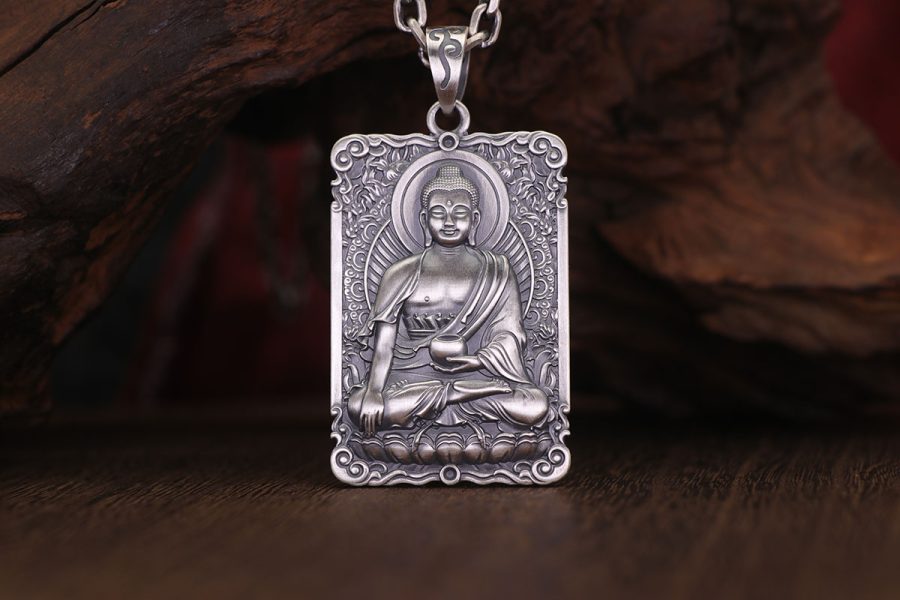
Take Thai culture, for instance. It’s common to see people wearing amulets featuring different Buddha postures. Each one represents a specific day of the week, a protective energy, or a phase of the Buddha’s life. As a result, it’s deeply symbolic. It speaks to a personal connection between the wearer and their beliefs.
Moreover, even the materials used matter. Jade is thought to attract luck and harmony. Gold symbolizes divine light and spiritual wealth. Wood, by contrast, connects you to nature and simplicity. Ultimately, every choice carries intention.
A Shield of Protection
Let’s face it—life isn’t easy. We walk through each day facing stress, negativity, and the unknown. In response, many people turn to Buddha pendants as a spiritual shield. Not because they expect to be invincible either. But rather because they want something that reminds them they’re not alone.
Over time, these pendants become personal guardians. They’re worn close to the heart, tucked under clothing, hidden from view. Even so, their presence is felt. Some people swear by the sense of protection they feel—a quiet confidence that things will be okay.
To be clear, it’s not just superstition. It’s belief. And when nurtured, belief becomes a powerful force.
A Reminder of Mindfulness
In a world addicted to speed, Buddha pendants are like a pause button. They bring awareness back to the present. You’re stuck in traffic. You’re about to lose your temper. You’re spiraling in anxiety. Then suddenly, your hand brushes against the pendant. Just that touch—it can snap you out of it.
In that instant, it’s like a tiny teacher, always there, nudging you toward balance.
Granted, mindfulness isn’t about perfection. Rather, it’s about noticing. And when paired with a pendant that symbolizes awareness and compassion? That’s a pretty good tool for noticing.
Personal Stories, Deep Connections
Ask anyone who wears a Buddha pendant, and chances are, there’s a story attached. Maybe it was a gift from a loved one. Maybe it came from a temple visit during a soul-searching trip. Maybe it was chosen after a loss, a heartbreak, or a moment of transformation.
Little by little, these pendants soak up energy. They become part of who we are. They witness our growth. Our pain. Our healing. Quietly and consistently, they carry all of it.
Consider this: one woman shared how her grandmother gifted her a pendant. She wears it every day, not only for spiritual reasons, but also to feel connected to her roots. Meanwhile, another man spoke of finding his pendant in a dusty market stall while backpacking in Laos. For him, it marks the moment he decided to turn his life around.
All things considered, it’s incredible how a small object can hold so much.
Not Just For “Spiritual” People
The truth is, you don’t have to be Buddhist to wear a Buddha pendant. You don’t have to meditate every day or read ancient texts. You just have to feel drawn to it. That’s it. That’s enough.
For some, it’s the symbolism that captivates. For others, it’s the aesthetics that move them. And occasionally, it’s something less tangible—just a feeling they can’t quite explain. That’s the mystery of spiritual symbols. They speak a language deeper than words.
Naturally, respect matters. It’s important to understand the cultural and religious significance behind Buddha imagery. Approaching it with intention, wearing it with honor and awareness is key. Ultimately, you don’t need to fit into a box to feel its power.
Modern Expressions of Ancient Wisdom
These days, Buddha pendants come in all shapes and styles. Minimalist silver outlines. Intricate hand-carved wooden figures. Even modern interpretations with gemstones and abstract designs. While the forms evolve, the core essence remains.
That’s the beauty of it. These pendants adapt. They travel across cultures, generations, and beliefs. Once reserved only for monks in mountain temples, they’re now worn by all. Clearly, Buddha’s message transcends labels.
At its heart, it’s about kindness. Wisdom. Presence. And honestly, who doesn’t need more of that?
A Gift That Speaks Volumes
Truthfully, giving someone a Buddha pendant isn’t just about handing them a necklace. In many ways, it’s like offering them a blessing. A wish for peace. A hope for clarity. It’s deeply personal. Thoughtful. Sometimes even intimate.
In just a few words, it says, “I see your struggle. I admire your strength. Here’s something to remind you you’re not alone.”
Over time, that kind of gift stays with a person. It becomes part of their story. Woven quietly into their daily life, their challenges, their quiet victories.
Final Thoughts
At first glance, Buddha pendants may look small, but they carry mountains of meaning. They’re more than metal or stone. They’re anchors. Symbols. Companions.
In a world full of noise, sometimes all we need is a gentle reminder of stillness. Something we can hold onto—literally and spiritually. Something that catches the light and reminds us to look inward. To stay soft in a hard world. To lead with love.
Whether worn daily or given with intention, they speak to something deep within us. So remember this: Buddha pendants are far more than decorative charms. They’re stories. They’re symbols. They’re little pieces of peace you can carry with you—wherever you go.