

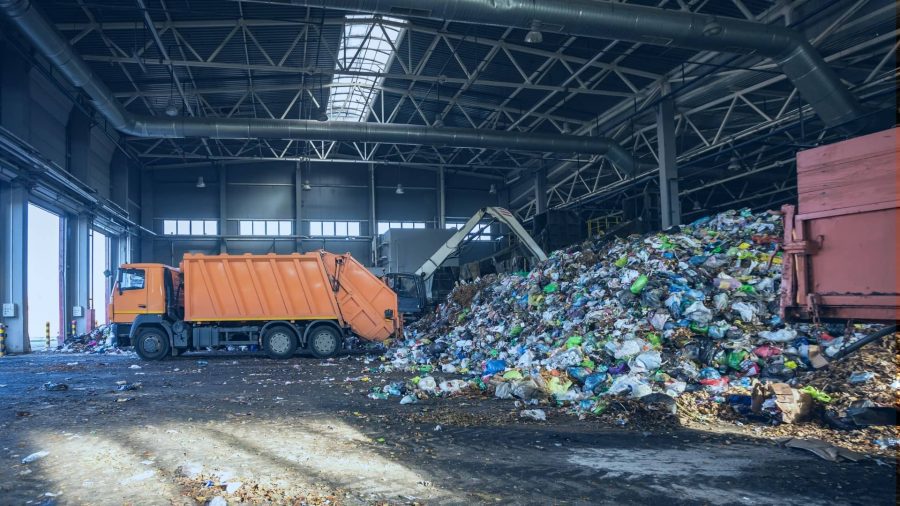
Industrial waste management has become a cornerstone of modern industrial activities, playing a crucial role in ensuring environmental sustainability and public health. As industrial activities expand with economic growth, the generation of waste has risen exponentially, making effective management of this waste a significant global challenge. The priorities of industrial waste management are to minimize the environmental impact, enhance efficiency in production processes, and facilitate recycling and reuse.
The term “industrial waste” encompasses a wide variety of waste materials produced by manufacturing, processing, and other industrial activities. These can include chemical solvents, paints, sandpaper, paper products, metals, and radioactive wastes, among others. Each type of waste poses unique challenges and requires specific strategies for management. The importance of managing these wastes cannot be overstated, as improper handling can lead to severe environmental pollution and health risks.
One of the fundamental aspects of effective industrial waste management involves reducing the volume and toxicity of the waste generated. This is often achieved through process modification, which not only helps in waste minimization but also enhances resource use efficiency. Companies are increasingly adopting cleaner production techniques to reduce waste at its source, which is a proactive approach to environmental management.
Moreover, industrial waste management includes methodologies for treating waste before disposal to minimize its impact on the environment. Techniques such as physical, chemical, and biological treatments are employed to convert hazardous waste into less harmful substances. These processes are crucial in preventing toxic elements from entering natural ecosystems where they can cause significant damage to plants, animals, and humans.
Recycling and reusing waste materials form another essential pillar of industrial waste management. By converting waste into usable products, industries can reduce the demand for new raw materials, lower energy consumption, and decrease greenhouse gas emissions. For example, the scrap metal from manufacturing processes can be reprocessed into new metal products without the need for additional mining. This not only conserves natural resources but also limits environmental degradation associated with raw material extraction.
In addition to operational techniques, regulatory frameworks play a critical role in guiding industrial waste management practices. Governments worldwide have established regulations that require industries to treat and dispose of wastes in an environmentally friendly manner. Compliance with these regulations not only helps in protecting the environment but also avoids significant legal repercussions for businesses.
Public awareness and corporate responsibility are also vital components in the equation. As consumers become more environmentally conscious, companies are motivated to adopt sustainable practices, including waste management. This consumer-driven change is complemented by corporate policies that prioritize sustainability both to adhere to legal standards and to improve corporate image in the public eye.
The implementation of advanced technology has significantly boosted the efficiency of industrial waste management. Innovative solutions like waste-to-energy systems, where waste is converted into electricity or heat, or advanced recycling techniques, are transforming how industries handle their waste. These technologies not only help in waste reduction but also contribute to energy production, thus supporting a circular economy model where nothing goes to waste.
However, challenges to effective industrial waste management remain. These include the high costs associated with waste management infrastructure and technology, difficulties in managing diverse types of waste, and the need for continuous improvement in regulations and their enforcement. Overcoming these challenges requires concerted efforts from governments, industries, and the public to invest in sustainable waste management solutions and foster a culture of environmental responsibility.
In conclusion, the importance of industrial waste management lies not only in mitigating the adverse environmental impacts but also in its potential to contribute to sustainable development. Through effective strategies and innovations in waste processing, the industrial sector can significantly reduce its ecological footprint, promote public health, and lead by example in the stewardship of our planet.
As industries continue to evolve, so too must their approaches to waste management, ensuring they are aligned with both regulatory and societal expectations. This ongoing commitment to sustainable waste practices is essential for ensuring a healthier, more sustainable future for all.