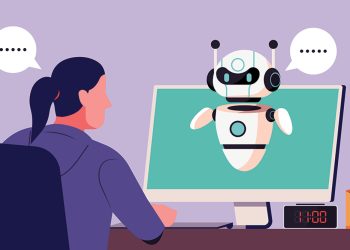


In recent years, there has been a substantial shift in how people seek mental health care, with more people turning to online therapy. This virtual style of therapy has gained popularity, profoundly altering how people approach their mental health. A multitude of factors contribute to the growing popularity of online therapy, making it an appealing option for individuals who may have previously been hesitant to seek treatment.
One of the most convincing reasons why individuals are increasingly turning to online therapy is its convenience and accessibility. Traditional therapy frequently requires visiting to a physical location at predetermined times, which can be difficult for those with hectic schedules or limited transportation alternatives. Online therapy removes these obstacles, allowing people to participate in sessions from the comfort of their own homes. This flexibility not only makes it simpler to include treatment into one’s daily routine, but it also allows people to interact with therapists who may not be in close proximity.
Furthermore, online therapy has helped to reduce the stigma associated with mental health issues. For others, the prospect of attending a therapist’s office can be scary, causing emotions of humiliation or dread of being judged. The anonymity that online therapy offers allows people to engage in therapeutic practices without being exposed to the same amount of risk. Many people feel more secure when they can log into a session from their own setting, which reduces anxiety about the in-person experience. This improved comfort motivates people to take the necessary step of seeking help, resulting in better mental health outcomes.
Another key factor contributing to the popularity of online therapy is the diverse range of options available. Traditional therapy may confine patients to the therapists available in their area, but online therapy expands their possibilities. With so many therapists available electronically, people may investigate practitioners’ specialities, certifications, and therapeutic approaches, allowing for a more personalised match. This enables people to make informed decisions regarding their mental health care, finding therapists who actually meet their needs.
Affordability also plays an important part in the growing popularity of online therapy. The cost of standard therapy can be a barrier for many people, especially in a post-pandemic society when economic uncertainty is prevalent. Online therapy can frequently be less expensive, giving people access to critical mental health resources without the high cost that in-person appointments can sometimes carry. Many therapists charge sliding scale prices for online sessions, making it an increasingly practical alternative for individuals looking for help on a budget.
The COVID-19 epidemic has expedited the popularity of online therapy, as people are compelled to seek alternate techniques to maintain their mental health during unprecedented times. With lockdowns and social distancing measures in place, many people turned to online therapy as their primary means of seeking professional aid. The pandemic highlighted the significance of mental health, and online platforms provided a lifeline for those who might otherwise have suffered in silence. As the world adapts to new conventions, people continue to rely on and feel comfortable with online therapy.
Another intriguing component of online therapy is the frequency and mode of communication. It not only allows for standard video calls, but many platforms also include text-based communication, emails, and even voice conversations. This diverse approach allows therapy to adapt to varied modes of involvement that individuals prefer. Those who are intimidated by the possibility of face-to-face meetings can find comfort in the more casual aspect of chatting online. This flexibility promotes a better therapeutic bond by allowing clients to participate in sessions in ways that best suit their personal communication preferences.
Furthermore, the digital aspect of online therapy allows people to record sessions or take notes in real time, providing possibilities for self-reflection and progress in between sessions. Many people find that having access to past discussions encourages deeper engagement with the subject, resulting in a more reflective experience. This empowerment can lead to increased drive and commitment to the treatment process, which improves outcomes.
The rise of online therapy promotes inclusion by providing a necessary service to various groups that were previously underserved. Attending in-person appointments can be extremely difficult for people with impairments, carers, and parents who have young children. Online treatment meets these people where they are, giving them access to the mental health resources they need without imposing extra barriers. The virtual format can also help to address individual cultural needs and preferences, resulting in a more comprehensive approach to mental health therapy.
As technology advances, so does the landscape of mental health support. Innovative mental health applications are becoming increasingly common, and they are being seamlessly integrated with online therapy. These technologies include meditation apps, mood tracking, and guided therapeutic exercises. Integrating such resources into online therapy sessions can help to extend the therapeutic experience beyond the time allotted, providing clients with tools for self-management and resilience-building in their daily lives. The incorporation of technology empowers clients by making mental health maintenance a continuing commitment rather than a one-time event, highlighting the benefits of regular reflection and proactive techniques for well-being.
Despite the numerous benefits that online therapy provides, it is important to recognise that it may not be appropriate for everyone. Some people may still prefer in-person appointments, believing that the face-to-face interaction develops a stronger relationship with their therapist. Furthermore, persons suffering with serious mental health crises may require quick and extensive support, which is best offered in a conventional setting. As a result, while online therapy is a useful option, it is not a one-size-fits-all solution, and individuals must consider their personal needs when determining the best path for their mental health care.
The debate about mental health is changing, and online therapy has emerged as an important element of that dialogue. The growing acceptance of getting help, along with the convenience and flexibility that online therapy offers, represents a healthy development in society. Furthermore, as more people embrace the concept of prioritising their mental health, we may see an improvement in public attitudes about receiving help.
Going forward, mental health providers must continue to advocate for the benefits of online therapy while also ensuring that their practices evolve to meet clients’ changing demands. To enhance the effectiveness of online therapy, therapists must continue to get ongoing training in digital communication and therapeutic approaches. Furthermore, as technology advances, future solutions may improve the therapeutic experience even further, broadening the scope of mental health treatments.
Finally, the astonishing expansion of online therapy indicates a diverse reaction to contemporary requirements; it demonstrates the changing landscape of mental health care. As barriers to access are reduced and societal stigma is combated, more people feel emboldened to seek the help they require. While online therapy may not completely replace traditional therapy models, it does provide a flexible and inclusive option that is appropriate for the dynamics of today’s environment. As individuals and society as a whole continue to acknowledge the importance of mental health, the popularity of online therapy is set to increase, paving the way for a more accessible and understanding approach to mental well-being.
Finally, the change to online therapy represents a greater societal shift—a awareness that mental health is important and that everyone needs help, regardless of their circumstances. As we navigate an increasingly complex world, online therapy serves as a light of hope, demonstrating that seeking help may be done on one’s own terms and at one’s convenience.