
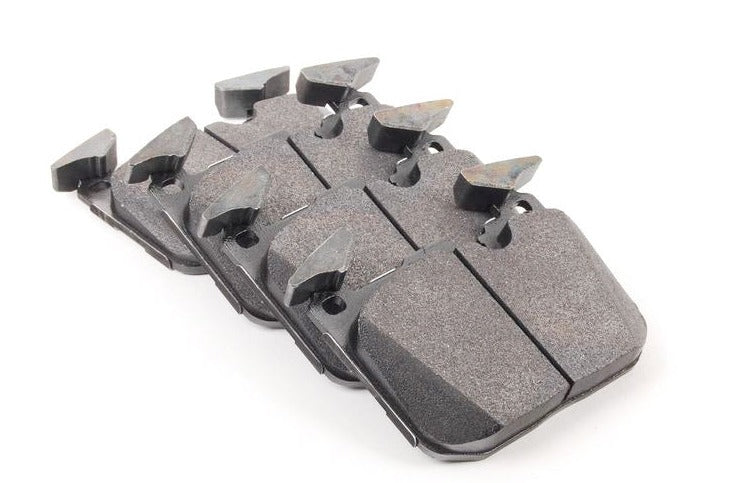
Front brake pads are crucial in a vehicle’s braking system, providing the primary contact and friction needed for effective slowing and stopping. Many drivers overlook braking performance, but the state of your front brake pads significantly impacts stopping distance, handling, and road safety. Front wheels bear more weight when braking, leading to increased wear and heat on front brake pads compared to the rear. This makes them crucial for regular maintenance.
Knowing how front brake pads function allows drivers to recognise the importance of maintaining them properly. Pressing the brake pedal creates hydraulic pressure that forces the callipers to clamp the pads onto the brake discs. Friction transforms kinetic energy into heat, reducing wheel rotation speed. Front brake pads wear down over time, diminishing their effectiveness and requiring replacement.
Front brake pads are crucial for vehicle safety.
The safety of any trip relies heavily on the performance of front brake pads under pressure. Worn or damaged front brake pads can lead to longer stopping distances, vibrations while braking, and, in severe cases, total brake failure. The front brakes manage the majority of the stopping force, often reaching 70%, making their condition crucial for the safety of both driver and passenger. Failing to check or change worn front brake pads can lead to additional damage to the discs, making a straightforward maintenance task a more expensive repair.
The brake pedal’s feel can indicate the condition of the front brake pads. A soft pedal response may suggest air in the brake lines, while a vibrating pedal typically indicates uneven pad wear or warped discs. Squealing noises often indicate that the pads are worn down near the metal backing plate. Don’t ignore these early warning signs; replacing the front brake pads on time avoids serious braking system problems.
Identifying Worn Front Brake Pads
Knowing when to replace front brake pads is essential for every vehicle owner. The initial sign is usually sound—a noticeable squeal or screech when pads are worn out. Some pads have wear indicators that intentionally make this sound to warn drivers before performance declines noticeably. Symptoms may involve decreased braking response, a grinding sound when the pedal is pressed, or noticeable wear of the brake pad visible through the wheel spokes.
Monitor your front brake pads by observing your vehicle’s behaviour during regular driving. If the car veers to one side while braking, uneven pad wear may be the cause. A dashboard warning light may turn on in certain vehicles when the sensor identifies worn pads. Self-diagnosis can pinpoint issues early, but a qualified mechanic provides a professional assessment of the front brake pads’ thickness and condition.
The Importance of Regular Replacement
Regularly replacing front brake pads is crucial for safety and optimal braking performance. Worn pads can overheat brake discs, leading to warping or grooves that decrease efficiency. Installing new front brake pads at proper intervals helps drivers maintain even braking forces, ensuring steering stability. Replacing pads before they wear down too much can stop the metal backing plate from grinding against the disc, avoiding costly replacements.
Front brake pad replacement frequency depends on driving style and conditions. City driving leads to faster pad wear compared to motorway travel due to frequent stops. Heavier vehicles and those with frequent loads exert more stress on front brake pads. Replacement is typically needed every 25,000 to 40,000 miles, but regular checks at service appointments prevent unexpected issues.
Composition of Front Brake Pads
Front brake pads vary in material composition, which significantly affects their performance in various driving conditions. Pads are typically made from three main materials: organic, semi-metallic, or ceramic compounds. Organic pads provide a softer and quieter experience, though they may have a shorter lifespan under heavy use. Semi-metallic front brake pads contain metal particles, offering strong stopping power and heat resistance, though they may produce more noise. Ceramic pads tend to be pricier but provide durability, performance, and low dust output.
The best option varies based on vehicle type, driving habits, and environment. Heavy vehicles or those frequently used in urban areas gain from semi-metallic front brake pads, providing reliable performance even at elevated temperatures. Ceramic front brake pads are ideal for drivers prioritising comfort, cleanliness, and quieter braking.
Impact of Front Brake Pads on Driving Performance
High-quality front brake pads boost safety and elevate the driving experience. Consistent friction and heat dissipation from pads lead to smoother braking, shorter stopping distances, and improved control in tough conditions. Reliable front brake pad performance lessens stress on other braking parts like callipers, discs, and the master cylinder. This balance keeps the braking system responsive and reliable over time.
Driving habits and maintenance affect the lifespan of front brake pads. Gentle braking prolongs pad life, while harsh stop-start driving accelerates wear. Frequent driving in traffic or on inclines puts more strain on your front brake pads. Regular checks are essential to maintain consistent performance, no matter the road conditions.
Neglecting front brake pads can lead to serious issues.
Neglecting worn or damaged front brake pads can lead to serious mechanical and financial repercussions. Worn pads not only reduce braking efficiency but can also harm the brake discs due to metal-to-metal contact. This raises repair costs and may disrupt the smooth functioning of the wheel bearings and suspension due to increased vibration.
Ignoring front brake pad replacement affects fuel efficiency. Improper release of front brake pads can cause slight drag, making the engine work harder. This decreases fuel economy and leads to early wear in other parts. Regular checks and upkeep keep your braking system performing optimally, maintaining efficiency and cost-effectiveness.
Environmental Factors for Front Brake Pads
Modern automotive engineering focuses on the environmental impact of all components, including front brake pads. Older pads frequently had heavy metals and asbestos fibres, presenting health and environmental hazards during use and disposal. Manufacturers now prioritise safer, eco-friendly materials that minimise dust and lower harmful emissions.
Eco-friendly drivers can opt for front brake pads that adhere to low-copper or copper-free standards, reducing metal particle release into the environment. This change maintains braking performance and marks progress in sustainable vehicle maintenance. This highlights a rising recognition of how routine mechanical wear impacts environmental pollution—an issue that front brake pads can also help mitigate.
Ways to Prolong Front Brake Pad Lifespan
While no component is permanent, specific habits can prolong the lifespan of front brake pads. Gradual braking in smooth, anticipatory driving significantly minimises wear. Properly inflated tyres ensure balanced braking across all wheels, preventing uneven pad wear. Cleaning the wheel area regularly helps eliminate dust and debris that can speed up wear on the front brake pads.
Driving with a lighter load reduces the force needed to stop the vehicle, easing friction on the front brake pads. In cold or wet climates, proper drying of the pad material after water exposure prevents surface glazing that can affect performance. Regular inspections every few months help spot early wear, ensuring safety and protecting your vehicle investment.
Expert Care for Front Brake Pads
Some vehicle owners can handle basic checks, but front brake pad replacement is best done by professionals unless you have mechanical experience. A technician can inspect the braking system, including discs, callipers, and hydraulic lines, ensuring all components function safely. They will assess pad thickness, inspect for uneven wear, and clean the braking surfaces prior to installing new pads.
Replacing front brake pads professionally guarantees proper torque settings and alignments. Incorrect installation may lead to uneven braking, noise, or early wear—problems that can be easily prevented with professional service. Following installation, it’s typical to gradually “bed in” new front brake pads through gentle, consistent braking over the first few hundred miles to ensure optimal contact with the discs.
Benefits of Investing in Quality Front Brake Pads
Selecting dependable and long-lasting front brake pads might seem minor, yet it significantly impacts safety, performance, and overall value. High-quality pads ensure reliable braking across different temperatures, minimise fading during extended use, and reduce disc wear. They minimise the risk of unexpected failures or noise problems that diminish driving comfort. Cheaper options may look attractive, but low-quality materials often wear out quickly and lead to higher costs over time from constant replacements.
Timely replacement and proper care of front brake pads highlight a driver’s dedication to safety and maintenance. Well-maintained brakes provide peace of mind, ensuring predictable vehicle response in all situations, from emergency stops to daily commuting. Front brake pads are a vital safety feature in any vehicle and should be given the same level of attention as tyres, lights, and steering components.