

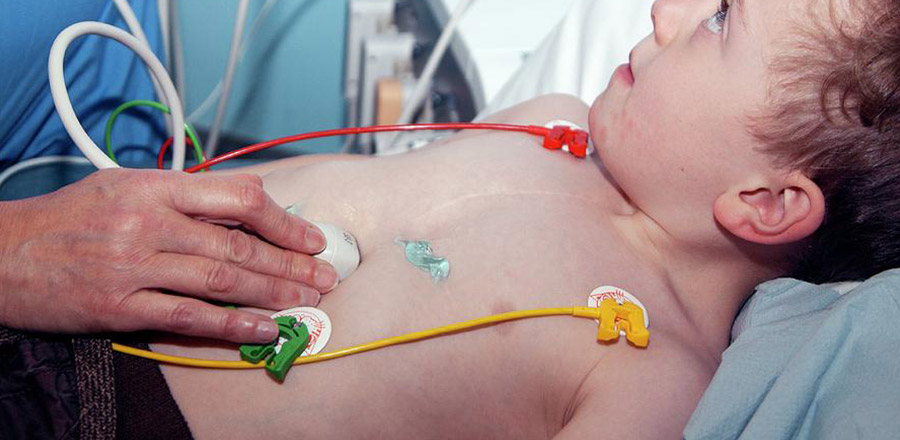
The human heart, a relentless pump that propels life forward, is essential from the minute we are born. However, when it comes to children’s hearts, other obstacles and issues arise. This is where paediatric cardiology comes in, providing comprehensive treatment for newborns, children, and adolescents with congenital heart abnormalities and other heart-related issues.
Understanding Paediatric Cardiology: A Distinct Field
Paediatric cardiology is a branch of cardiology that focuses on the diagnosis, treatment, and management of cardiac diseases in children from prenatal to adolescence. While there are some similarities with adult cardiology, paediatric cardiology necessitates specialised knowledge and experience due to the unique physiology and continuous development of the heart in children.
Paediatric cardiologists treat a wide variety of conditions.
Paediatric cardiologists treat a wide variety of cardiac diseases in children. These can roughly be classified as:
Congenital heart defects are structural abnormalities that occur at birth and damage the heart walls, valves, chambers, or blood vessels. Common instances include septal abnormalities (holes in the heart walls), valve deformities, and cardiac rhythm issues.
Acquired cardiac conditions: These occur after birth owing to a variety of reasons, including infections (e.g., rheumatic fever), Kawasaki illness, or certain genetic diseases.
Cardiomyopathies: These are disorders of the heart muscle that impede its capacity to pump blood efficiently.
Arrhythmias are irregular heart rhythms that can occur at birth or later in life.
Heart failure happens when the heart weakens and is unable to pump blood effectively.
Vascular anomalies are abnormalities of blood arteries around the heart, such as aortic coarctation (a constriction of the major artery).
Early Detection and Diagnosis: The Importance of Paediatric Cardiology
Early identification and diagnosis are critical for treating paediatric cardiac problems. Paediatric cardiologists use a variety of diagnostic tools, including:
Prenatal screening: Certain prenatal screenings can detect congenital cardiac problems before birth, allowing for early planning and treatment.
Echocardiography: This painless ultrasound imaging technology captures comprehensive pictures of the heart’s anatomy and function.
Electrocardiogram (ECG): This test analyses the electrical activity of the heart and can assist detect arrhythmias.
Chest X-ray: Although not as thorough as an echocardiogram, a chest X-ray can offer an overall view of the heart size and form.
Cardiac catheterization is an invasive treatment that includes inserting a small tube into the heart to monitor blood flow and pressure.
Treatment Options for Paediatric Cardiology
The therapeutic method for paediatric cardiac problems is determined on the exact diagnosis and severity. Paediatric cardiologists provide a variety of therapy options:
drugs: Some drugs can help regulate heart rhythm, enhance heart function, and treat symptoms such as heart failure.
Minimally invasive interventions: These techniques include inserting tiny catheters into the heart to fix abnormalities without requiring open surgery. Examples include balloon angioplasty to treat constricted valves and atrial septal defect closure.
Open-heart surgery may be indicated for more complicated abnormalities or those that require extensive repairs. Paediatric cardiac surgeons have the necessary expertise and experience to undertake these delicate surgeries on small hearts.
Cardiac transplantation: In extremely rare circumstances, a heart transplant may be required for infants with serious heart failure.
Pacemakers and defibrillators are implanted devices that can control cardiac rhythm in children with arrhythmias.
The importance of a multidisciplinary approach.
Paediatric cardiology is a collaborative field. Paediatric cardiologists collaborate with other experts to offer comprehensive treatment to children with cardiac problems. This squad may include:
Cardiothoracic surgeons are specialists who operate on the heart and lungs.
Paediatric intensivists: These critical care professionals treat severely ill children, especially those having heart surgery.
Paediatric anesthesiologists are professionals who offer anaesthesia and pain management during procedures.
hereditary counsellors help families understand the possible hereditary consequences of congenital cardiac abnormalities.
Developmental paediatricians monitor children’s development and manage any delays caused by cardiac issues.
Social workers offer psychological assistance to children and families dealing with heart disease.
The Evolving Landscape of Paediatric Cardiology
The subject of paediatric cardiology is continually changing. Here are some developments that shape the future:
Minimally invasive procedures: As new techniques and technology emerge, more complicated repairs may be performed utilising minimally invasive approaches, resulting in quicker recovery periods for children.
Foetal interventions: Early treatment for some congenital cardiac problems while the infant is still in the womb is becoming more common, perhaps improving results.
Gene therapy shows potential in addressing particular genetic disorders that cause cardiac issues in youngsters.
Telemedicine enables remote monitoring and consultations, which improves access to specialised care for children in rural places.
Personalised medicine: As genetic testing advances, the discipline is moving towards a more personalised approach to therapy, with medicines tailored to each child’s individual requirements.
Beyond Medical Intervention: Supporting Emotional Wellbeing
Paediatric cardiologists recognise the emotional toll that cardiac problems may have on children and their families. They collaborate with social workers and psychologists to give emotional support and address worries about managing chronic disease, hospitalisation, and possible limits. Parents and families dealing with paediatric heart disease might benefit greatly from support groups and educational materials.
Looking Ahead: A Better Future for Children With Heart Conditions
The future for children with cardiac issues is better than ever before, thanks to the devotion and experience of paediatric cardiologists, as well as ongoing developments in their area. Early identification, novel treatment choices, and a dedication to comprehensive care can lead to better results and a higher quality of life for these little hearts.
In conclusion.
Paediatric cardiology is critical in maintaining the health and well-being of children with cardiac problems. Understanding the extent of this specialised area, the different treatment choices available, and the need of a holistic approach may help parents and families advocate for their children’s care and navigate the path to a healthy future.
If you are concerned about your child’s heart health, you should visit with a paediatrician or request a referral to a paediatric cardiologist for additional assessment. Early diagnosis and intervention may make a big impact in a child’s life.