

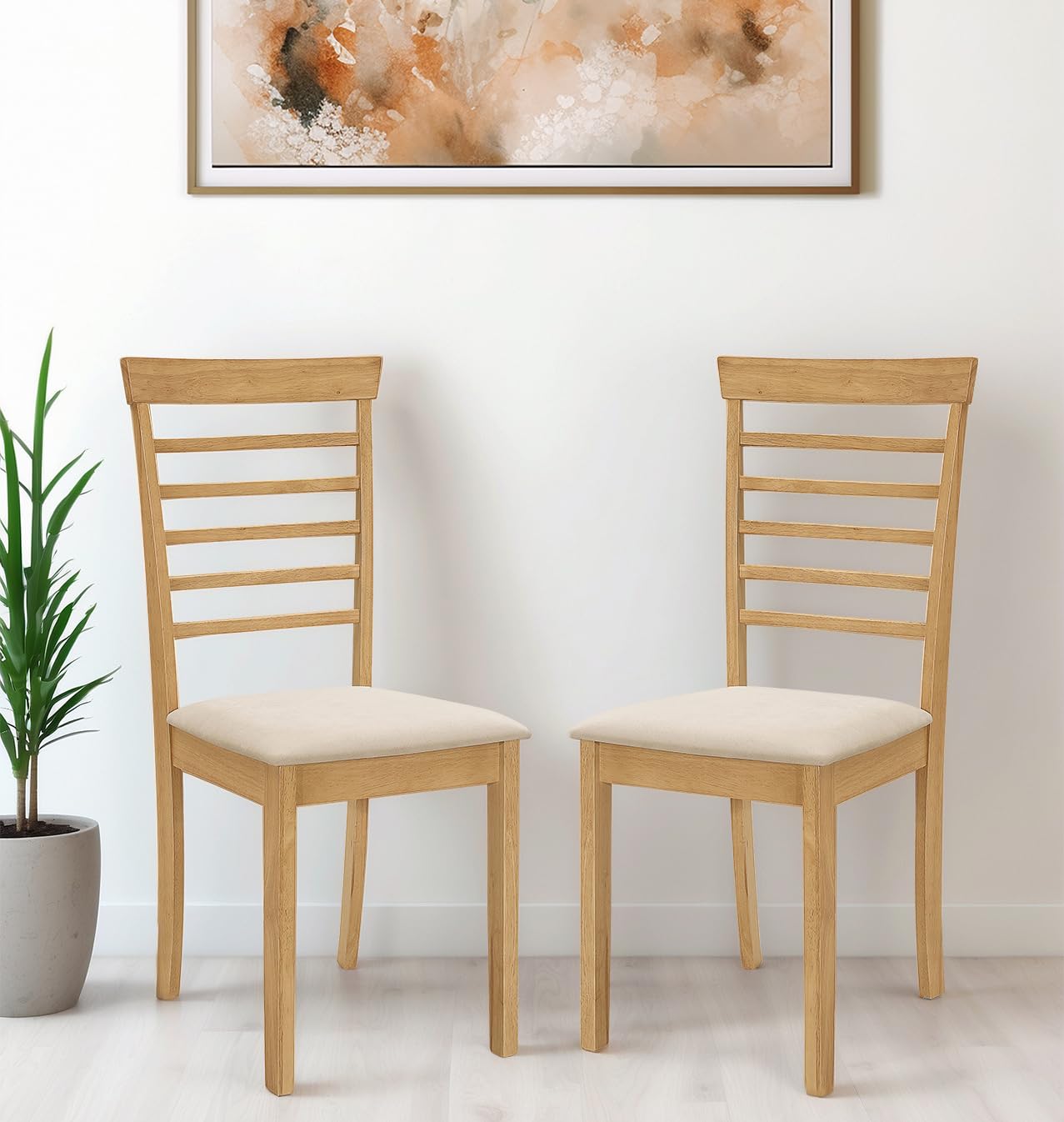
Dining chairs are more than simply useful; they can convert any area into a welcoming and comfortable meeting spot. Many considerations should be considered while buying dining chairs, in addition to looks. Understanding the subtleties of chair design, from size variations to material options and manufacturing quality, is important for making an informed selection. Whether you’re redesigning an existing arrangement or beginning from scratch, here’s everything you need to know about picking the best dining chairs for your needs.
Materials Selection:
The material used affects several elements of the chair, including comfort, durability, maintenance needs, and cost. Common materials used in dining chair construction are:
Wooden frames provide ageless elegance, warmth, and adaptability in classic, modern, and minimalist forms. Solid hardwoods such as mahogany, walnut, and teak are strong, long-lasting, and elegant, but they are also pricey. Alternatively, veneer-wrapped plywood is less expensive while still providing a pleasing appearance.
Metal frames, composed of steel, aluminium, or iron, provide industrial style to modern spaces. They are light, durable, and easy to clean. However, metal transmits heat easily, creating discomfort during the hotter months. Powder coating offers additional protection against corrosion and scratch marks.
Plastic frames, including polypropylene, acrylic, and fibreglass, are cost-effective and ideal for outdoor eating because to their resilience to moisture and weather. They do not retain heat, making them suitable for use all year. Plastic chairs, on the other hand, tend to be less structurally sound and visually appealing than their counterparts.
Upholstery Options:
After settling on the frame material, the next step is to choose between fabric or leather upholstery. Both provide significant advantages based on personal choice and intended use:
Fabric upholstery:
Durable fabrics like Sunbrella® and Crypton® are resistant to fading, mildew, and spills, making them ideal for high-traffic families with children and pets. Fabrics provide limitless customisation options via colours, designs, and textures.
Microfiber, a type of synthetic fibre, is becoming increasingly popular because to its softness, ease of washing, and allergy resistance. Polyester mixes with nylon or elastane provide soft, flexible textiles that naturally mould around the body.
Leather upholstery:
Leather provides unrivalled durability, softness, and visual appeal over time. Natural skins gain character as they age, accumulating subtle wrinkles and folds. Top-grain leather can withstand everyday wear and tear, whereas split leather is less expensive but more prone to splitting and breaking over time.
Leather is graded according to its thickness and quality. Full-aniline leathers undergo little processing, resulting in a pure and vibrant look that accentuates every aspect of the hide. Semi-aniline leathers are slightly modified to increase longevity while preserving much of their natural texture. Nubucks are created by gently abrading the top layers of pigment, leaving behind a velvety nap.
Comfort Factors:
It goes without saying that comfort must be prioritised above all else, given that diners spend a significant amount of time sitting on seats. Several factors influence overall comfort levels, including seat cushioning, backrest support, armrest breadth, legroom, and lumbar curve:
Seat padding:
Thick cushions encourage longer sitting without causing pain. For best pressure relief and conformance, use strong foam or latex filling. Coils within the chairs assist to distribute weight evenly.
Backrest Support:
Choose between straight, sloping, or curved backs based on your taste. Straight backs provide good posture and stability, making them excellent for professional contexts, whilst reclining backs promote relaxation and are more suited to leisure places. Adjustable backrests allow users to customise the angles for best convenience.
Armrest Width:
Arms should sit securely against the body, not intruding on adjacent seating spaces or impeding mobility. Narrow arms conserve room, but broad ones may accommodate larger humans. Rounded edges prevent sharp corners from digging into the flesh.
Legroom:
Make sure there is enough floor space beneath the chairs so that you can manoeuvre around the table without bumping into anything. The ideal knee space varies from 6 to 9 inches below the table’s surface. Chair measurements vary greatly between manufacturers and collections.
Lumbar Curves:
Lower back curvature aids in maintaining proper spinal alignment, reducing discomfort and tiredness caused by bad posture. Most chairs have some form of lumbar contouring, either expressly or indirectly, through built-in supports.
Conclusion:
Finally, selecting the proper dining chairs necessitates careful consideration of stylistic choices, material selection, comfort aspects, and functional limits. By properly balancing these aspects, consumers may choose products that perfectly mix form and function, meeting both visual and tactile demands. Whether you want a traditional, modern, or eclectic environment, investing in strong, beautiful, and handy seating improves the whole dining experience.