
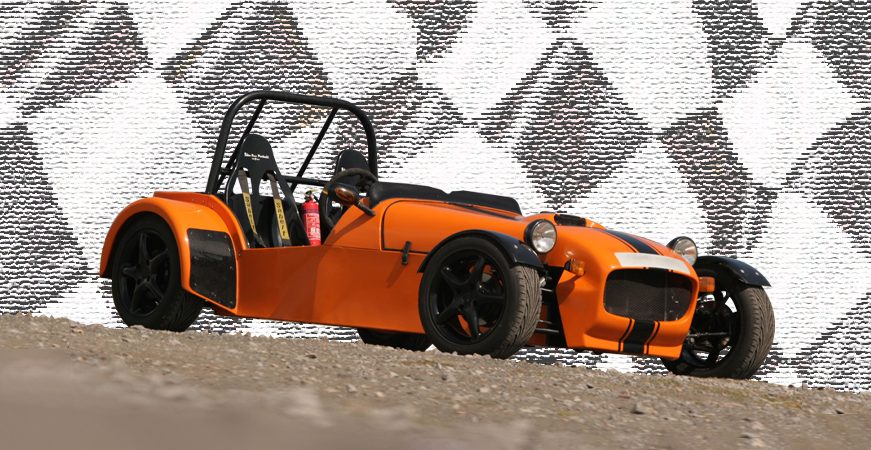
Building a kit automobile is an extremely personal undertaking, a work of passion, and a showcase for excellent craftsmanship. Every screw tightened and panel installed, from the first idea to the first turn of the key, reflects numerous hours of labour and frequently a substantial financial outlay. But as the finishing touches are put on and the engine roars to life, a vital question comes up: how can such a one-of-a-kind product be insured? This is where the niche market for kit car insurance enters the picture, which is very different from regular auto insurance. Any UK kit car owner who wants to make sure their prized vehicle is properly protected throughout its life—from the workshop to the open road—must be aware of these subtleties.
One of the first things you should understand about kit car insurance is that it is rarely as simple as clicking through a comparison website. A kit car is by its very nature bespoke, in contrast to mass-produced automobiles with easily accessible market prices and repair data. Because of their originality, regular insurers frequently find it difficult to adequately assess the risk, necessitating the use of specialised providers who are well-versed in the complexities of these unusual equipment. These insurance companies understand the enthusiasm and dedication required, and their plans are made to expressly address the unique demands and difficulties of owning a kit vehicle.
Getting kit car insurance frequently starts before the car is even completely put together. Many enthusiasts choose “build-up” or “laid-up” insurance, which shields the parts and the partially constructed vehicle from dangers like theft, fire, and unintentional damage while it’s in the garage or workshop. This is an important factor to take into account because individual parts might be extremely precious, and losing them while work is underway could have disastrous financial consequences. Certain insurance might also provide “goods in transit” coverage, which would protect parts while they are being transported to you. With peace of mind from this first stage of kit car insurance, builders may concentrate on their project without having to worry about unanticipated accidents all the time.
The nature of kit car insurance changes after the build is finished and the car is prepared for its Individual Vehicle Approval (IVA) test, which is an essential step for any new or considerably modified vehicle in the UK to ensure it satisfies safety and environmental criteria. You must now obtain coverage for road hazards. The need for insurance prior to the DVLA issuing a registration number is a frequent obstacle in this regard. Given that insurers normally need a registration number in order to provide a policy, this may appear to be a Catch-22 situation. To make the registration procedure easier, specialised kit car insurance companies are familiar with this situation and frequently give policies based on the chassis or Vehicle Identification Number (VIN). Having all of your paperwork in order is essential for the IVA test and for obtaining the right kit car insurance. This includes detailed records of the build and part receipts.
Kit car insurance largely reflects normal policies in terms of coverage: fully comprehensive, third party, and third party fire and theft. In the event that you cause an accident, third party coverage, which is the bare minimum required by law, protects other drivers. Your own car is further protected against these particular risks by third-party fire and theft. As the name implies, fully comprehensive kit car insurance provides the broadest coverage, including fire and theft protection as well as coverage for damage to your own vehicle, even if you are at fault. Since a kit automobile is unique and frequently requires a large investment, complete comprehensive coverage is nearly always advised since it offers the strongest financial security.
The idea of “agreed value” is a crucial differentiator in kit car insurance, especially for comprehensive plans. Due to their bespoke character and the craftsmanship involved, kit cars can occasionally gain in value or at the very least hold their value extraordinarily well, in contrast to regular automobiles that deteriorate over time and are insured for their market value. You and the insurer decide on the car’s value at the beginning of the term when you have agreed value coverage. Instead of paying the potentially lower market value established at the time of the claim, the insurer will pay out this agreed amount in the sad event of a total loss, whether due to theft or an accident that makes the car a write-off. For owners of kit cars, this feature is priceless since it guarantees that their time and financial commitment will be properly appreciated. Insurers may need photos, thorough build details, and even an expert appraisal to determine an agreed value.
Mileage’s effect on kit car insurance rates is still another crucial consideration. Kit cars are frequently weekend toys, exhibition cars, or the vehicles of track day enthusiasts rather than being used on a regular basis. Because they recognise this, insurers frequently provide “limited mileage” plans. You can drastically minimise your premium by agreeing to cap your annual mileage at a specific amount, which is usually far less than that of a daily commuting car. This illustrates how spending less time on the road lowers risk. Being truthful and precise about your predicted mileage is crucial, though, as going over the predetermined amount could render your kit car insurance void in the case of a claim.
Although they are essential to the concept of a kit car, modifications are also important when it comes to kit car insurance. Any additional changes from the original construction specification, such as engine upgrades, suspension adjustments, or major cosmetic enhancements, must be reported to your insurer even though the entire vehicle is essentially a modification from a conventional production automobile. If you don’t, your policy can be declared void. Due to the higher chance of accidents, performance-enhancing changes typically result in higher premiums, but security improvements like trackers or alarms may result in lower premiums. Because they recognise how customised these cars are, speciality kit car insurance companies are typically more tolerant of alterations than regular insurers.
The driver’s age, driving record, and postcode are further variables that affect the price of kit car insurance. As with regular auto insurance, prices will probably be higher for younger drivers or those with a history of claims or convictions. Costs will also increase if you live in a region where auto theft and accidents are common. You can lower your kit car insurance cost by adding a monitoring device, installing a Thatcham-approved alarm, or garaging the car overnight, among other security measures.
When looking for kit car insurance, it can also be helpful to be a member of a recognised kit car club or owners’ group. Since they believe that club members are generally more responsible and cautious with their cars and frequently possess a deeper understanding of vehicle mechanics and maintenance, many speciality insurers provide them discounts. This approach rewards enthusiasts for their commitment to the hobby and benefits both parties.
A kit car insurance policy can have a number of optional extras added on top of the basic coverage. If you plan to operate your kit car on a circuit, they can include coverage for breakdowns, legal fees, and even track day coverage. To protect the car while it’s on display, specialised exhibition covers may also be provided for people who often attend rallies or exhibits. Another crucial factor to take into account is “salvage retention.” This option enables you to purchase the damaged vehicle back from the insurer in the event that your kit car is deemed a total loss. This allows you to recover valuable pieces or even start a rebuild project. For kit car aficionados who have made significant investments in rare or difficult-to-find parts, this is especially alluring.
To sum up, getting kit car insurance in the UK necessitates being proactive and knowledgeable. There is no one-size-fits-all answer, and because these cars are customised, a specialised touch is required. Knowing the specifics of kit car insurance is essential, from build-up coverage to agreed value policies that guarantee your investment is appropriately valued to build-up coverage that protects your project during the development process. You can obtain complete and suitable kit car insurance by working with specialised insurers, being open and honest about the features and use of your car, and looking into all of your options and savings. This will enable you to drive your one-of-a-kind creation with assurance and peace of mind in the UK.