
In recent years, the media wall concept has gained popularity in the home design and entertainment industries. A media wall is more than simply a place to hang a TV; it’s a complete solution that blends beauty, utility, and technology to create a centre point in any living room. As our homes become more connected and our entertainment options expand, the media wall has evolved to accommodate the changing needs of today’s homeowners.
A media wall is essentially a designated space that stores audio-visual equipment, storage solutions, and, in many cases, ornamental components. It is often centred on a large-screen television or projector screen, but it can include much more. The attractiveness of a media wall stems from its ability to effortlessly integrate numerous components into a coherent and visually pleasing unit.
One of the most significant benefits of a media wall is its ability to maximise space efficiency. In many houses, particularly in urban settings where square footage is limited, a well-designed media wall may help minimise clutter and create a sense of organisation. Consolidating entertainment equipment, speakers, gaming consoles, and media storage into a single location allows homeowners to reclaim valuable floor space while also creating a neater, more organised appearance.
Another important reason for media wall appeal is its adaptability. The media wall has usually been linked with living rooms or specialised home theatre spaces, but it is also being used in bedrooms, home offices, and even outdoors. This versatility enables homeowners to customise their media wall to meet their individual demands and lifestyle.
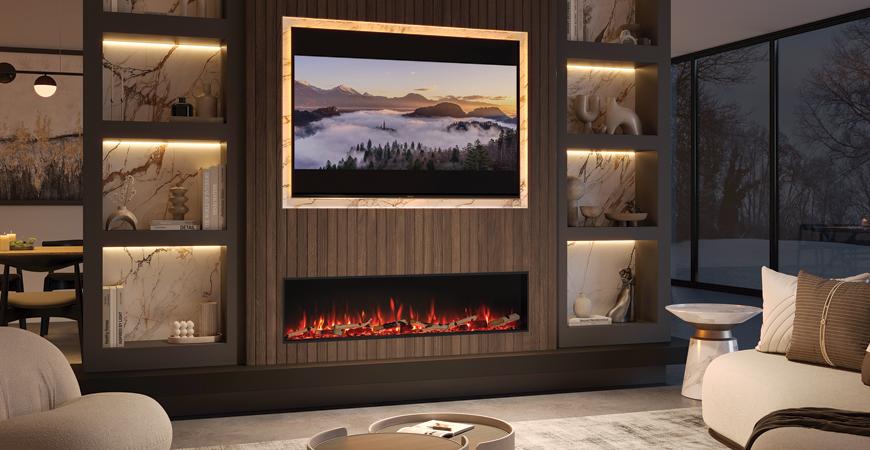
When planning a media wall, one of the first things to consider is the room’s size and arrangement. The scale of the media wall should be proportionate to the available area, resulting in a balanced and harmonious aesthetic. In larger rooms, a media wall can take up the entire wall, including built-in cabinetry, shelving, and even a fireplace. In smaller rooms, a more compact media wall design can nevertheless have a big impression without overwhelming the space.
A media wall’s overall appearance and feel are heavily influenced by the materials and finishes used. To get a contemporary look, many homeowners combine wood, glass, and metal. Others may like a more conventional style, which includes rich wood tones and classic millwork. The beauty of a custom media wall is that it can be customised to fit any interior design style, from sleek and minimalist to warm and rustic.
A media wall’s usefulness is heavily reliant on its lighting. Ambient lighting can provide a comfortable atmosphere for movie nights, whilst task lighting is required for activities such as reading or gaming. Many media wall designs use LED strip lighting or backlit panels to create depth and visual intrigue. Smart lighting systems can be integrated into the media wall, allowing users to change the ambiance with the press of a button or a voice command.
As technology advances, media walls’ capabilities expand. Smart home integration is becoming more popular, allowing customers to manage multiple aspects of their media wall and linked devices from a single interface. This may include altering the room’s temperature, lowering the lights, and choosing what to watch, all from a smartphone or tablet.
One of the problems in creating a media wall is making it future-proof to accept changing technology. Given the quick pace of change in the audio-visual sector, it is critical to incorporate flexibility into the design. This could include installing conveniently accessible cable management systems, modular components that can be upgraded or changed, and adequate ventilation to prevent equipment from overheating.
A media wall’s acoustic capabilities are another important consideration, particularly for individuals who value high-quality sound. The materials used in construction can influence sound absorption and reflection, so affecting the overall auditory experience. Some media wall designs use acoustic panels or carefully engineered cavities to improve sound quality and reduce echo.
A media wall can be an excellent backdrop for social occasions for homeowners who enjoy entertaining. Many designs feature a bar area or beverages cabinet, resulting in a versatile environment that may transform from casual movie nights to classy soirées. The media wall becomes more than simply an entertainment destination; it also serves as a conversation starter.
A media wall’s aesthetic appeal extends beyond its purpose as an entertainment centre. When not in use, a well-designed media wall might showcase artwork, family photos, or ornamental items. Some systems also allow the TV screen to display digital art when not in use, transforming the media wall into a dynamic art installation.
As sustainability becomes a more essential factor in home design, media walls are evolving to address these concerns. Energy-efficient LED lighting, environmentally friendly materials, and sophisticated power management systems can all help create a more sustainable media wall. Furthermore, by combining many devices and functions into a single location, a media wall can assist reduce total home energy consumption.
The process of building a media wall frequently requires coordination among homeowners, interior designers, and audio-visual specialists. This interdisciplinary approach ensures that the finished product not only looks great, but also works perfectly. From the initial concept and design phase to installation and setup, attention to detail is critical in creating a truly remarkable media wall.
For those considering installing a media wall in their home, the cost can be hefty. However, many homeowners believe that the benefits of better functionality, beauty, and property value make it worthwhile. A well-executed media wall may become the focal point of a home’s entertainment system, offering years of enjoyment while potentially improving the property’s desirability to future buyers.
As we look to the future, the media wall concept is likely to evolve. Emerging technologies like augmented reality and holographic displays could make their way into media wall designs, providing even more immersive entertainment experiences. The incorporation of artificial intelligence could result in media walls that adapt to users’ interests and behaviours, producing genuinely personalised entertainment environments.
Finally, the media wall has evolved into much more than just a way to put a television. It is a combination of design, technology, and usefulness that may alter a living place. A well-designed media wall, whether it serves as the focal point of a home cinema, a multifunctional entertainment hub, or a statement piece in a living room, provides limitless opportunities to improve our living spaces.
As our homes evolve to accommodate changing lifestyles and technological breakthroughs, the media wall exemplifies our desire for areas that are both beautiful and functional. Media wall are influencing the future of home entertainment and interior design by ingeniously blending form and function. A thoughtfully built media wall provides an exciting canvas of possibilities for homeowners who want to create a genuinely personalised and immersive entertainment experience.